
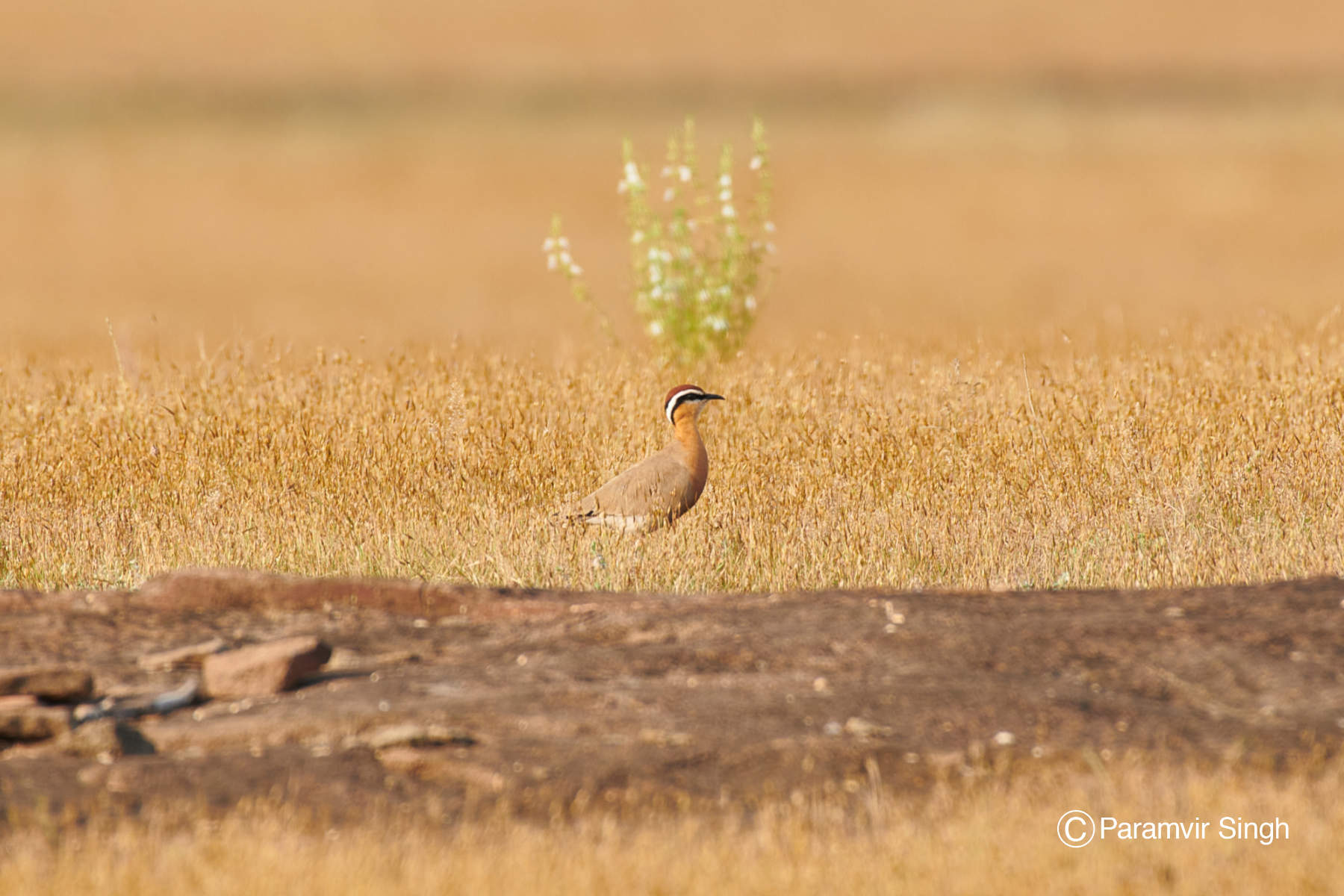
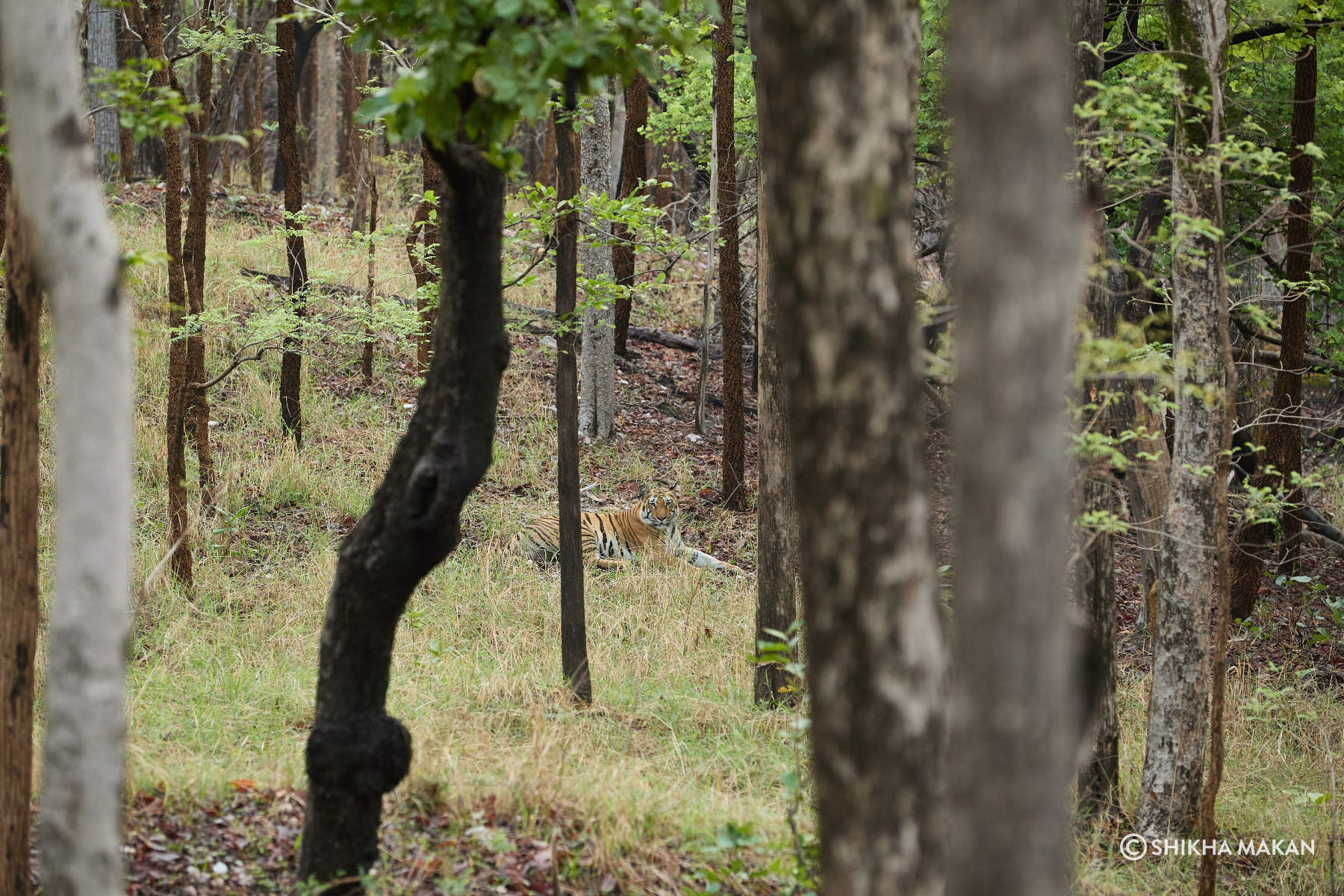
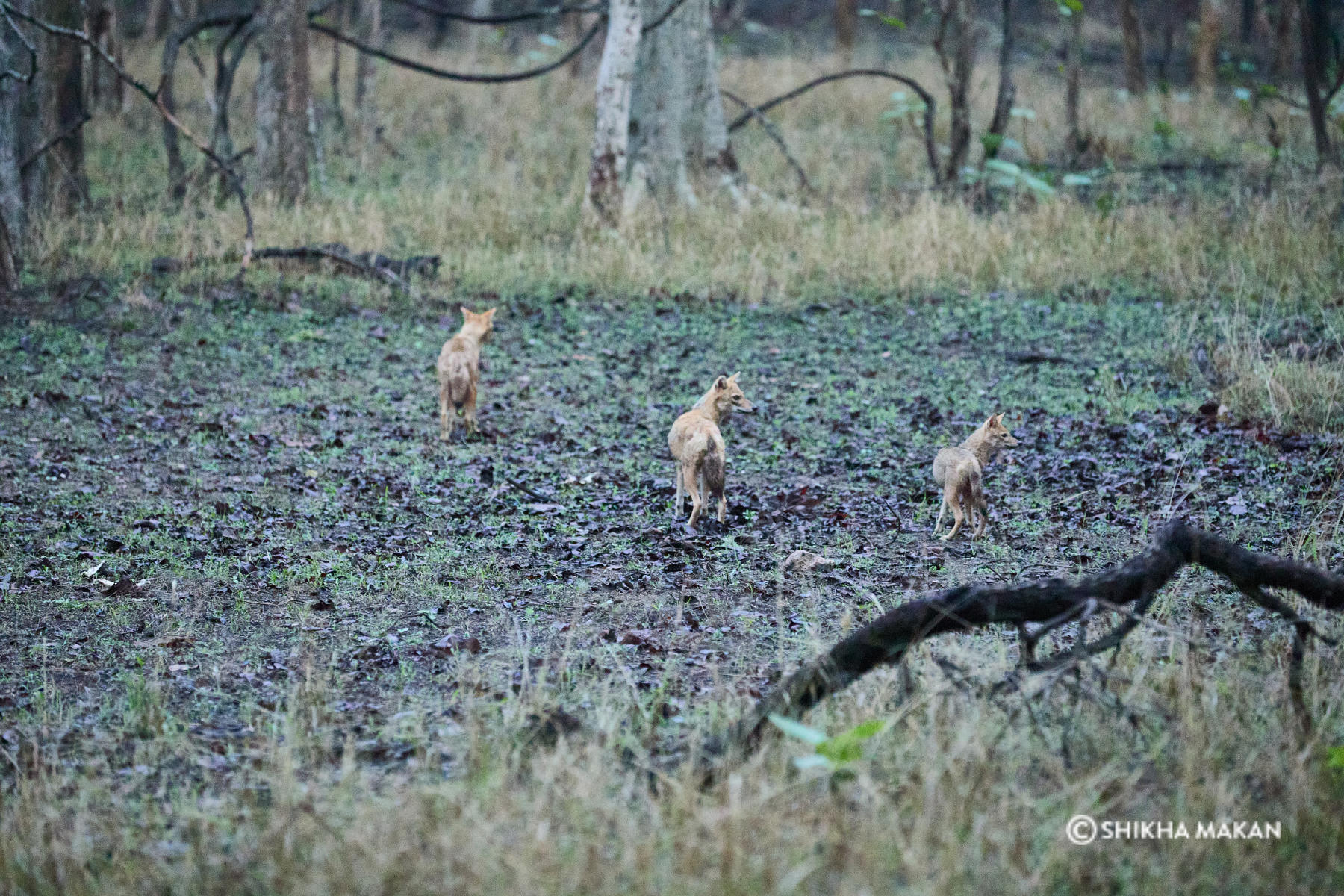
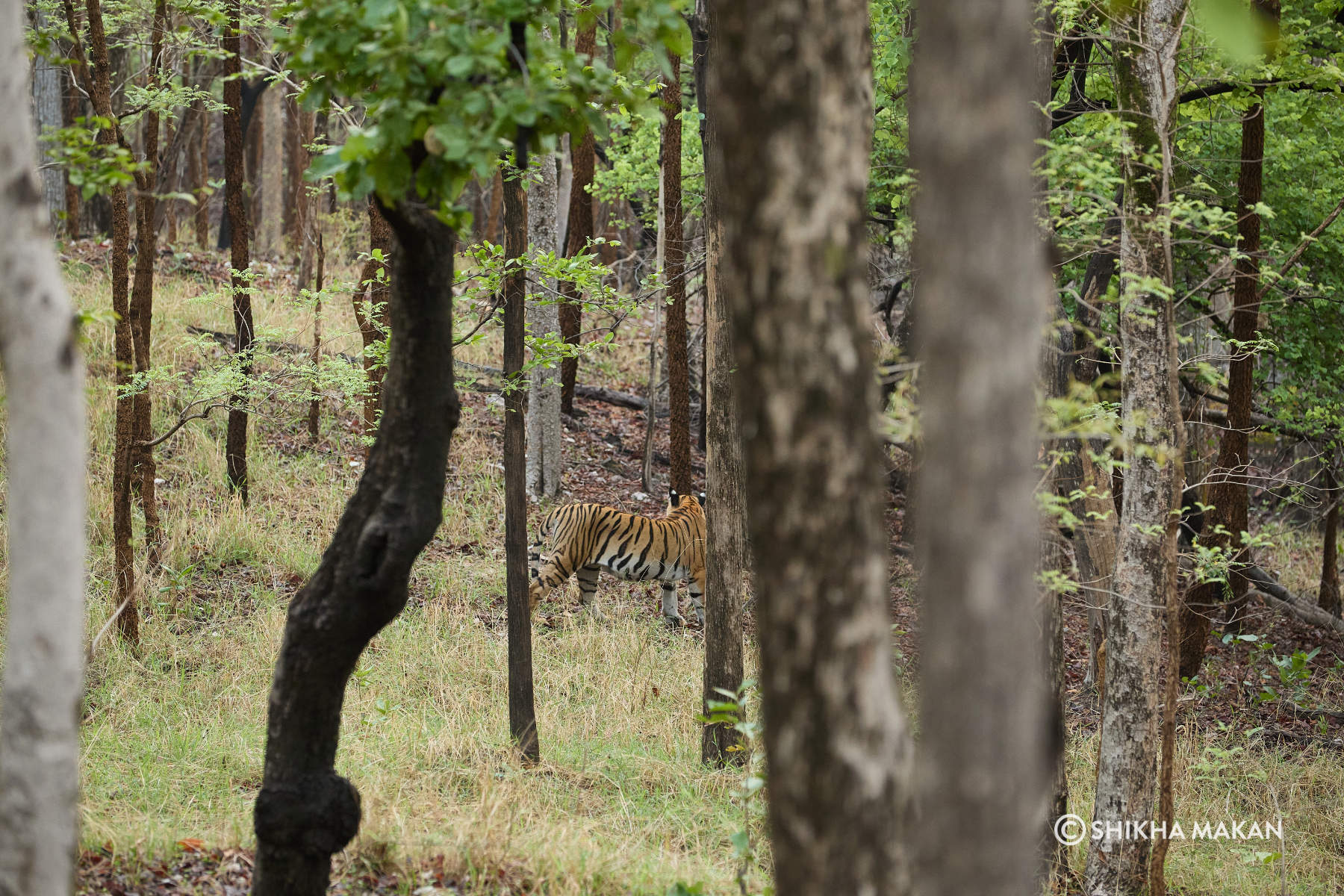
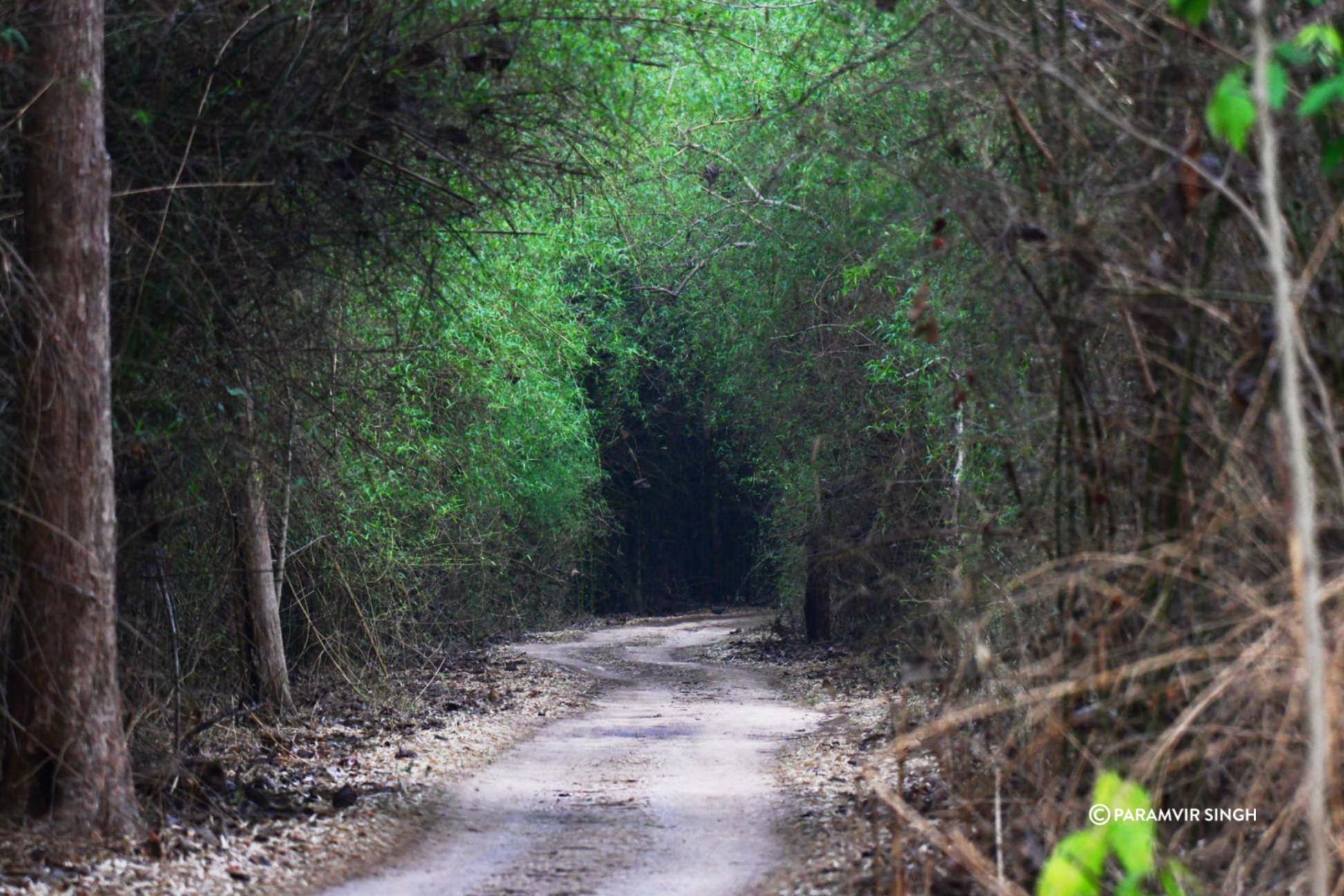
Pench National Park is a beautiful stretch of dense deciduous forest, mostly on the southern slopes of the magnificent Satpura Mountains, split between Maharashtra and Madhya Pradesh. Like many National Parks in India, it is home to the Royal Bengal Tiger, and that is what attracts many tourists to this beautiful forest. Our interest however, was the forest itself.
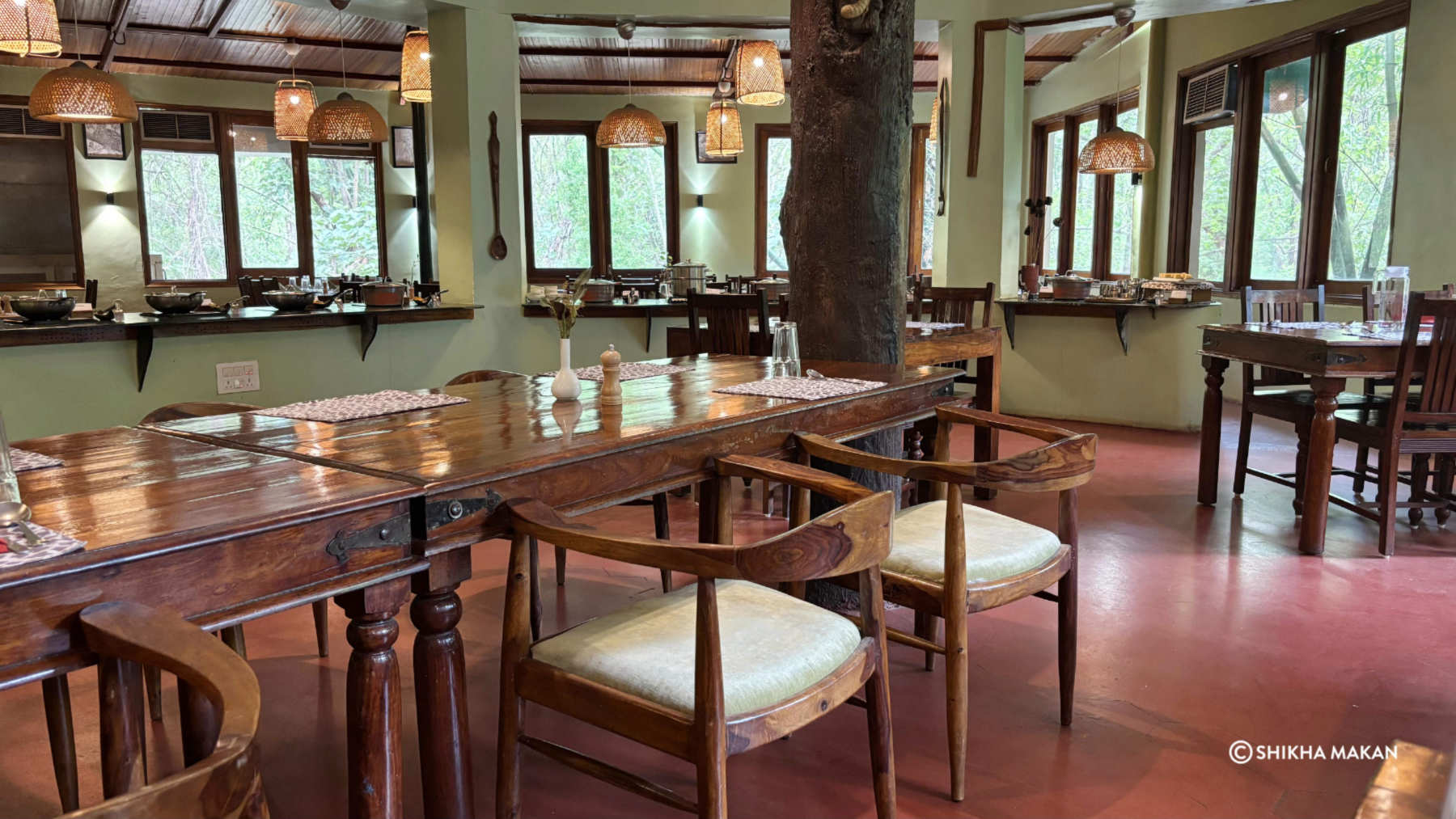
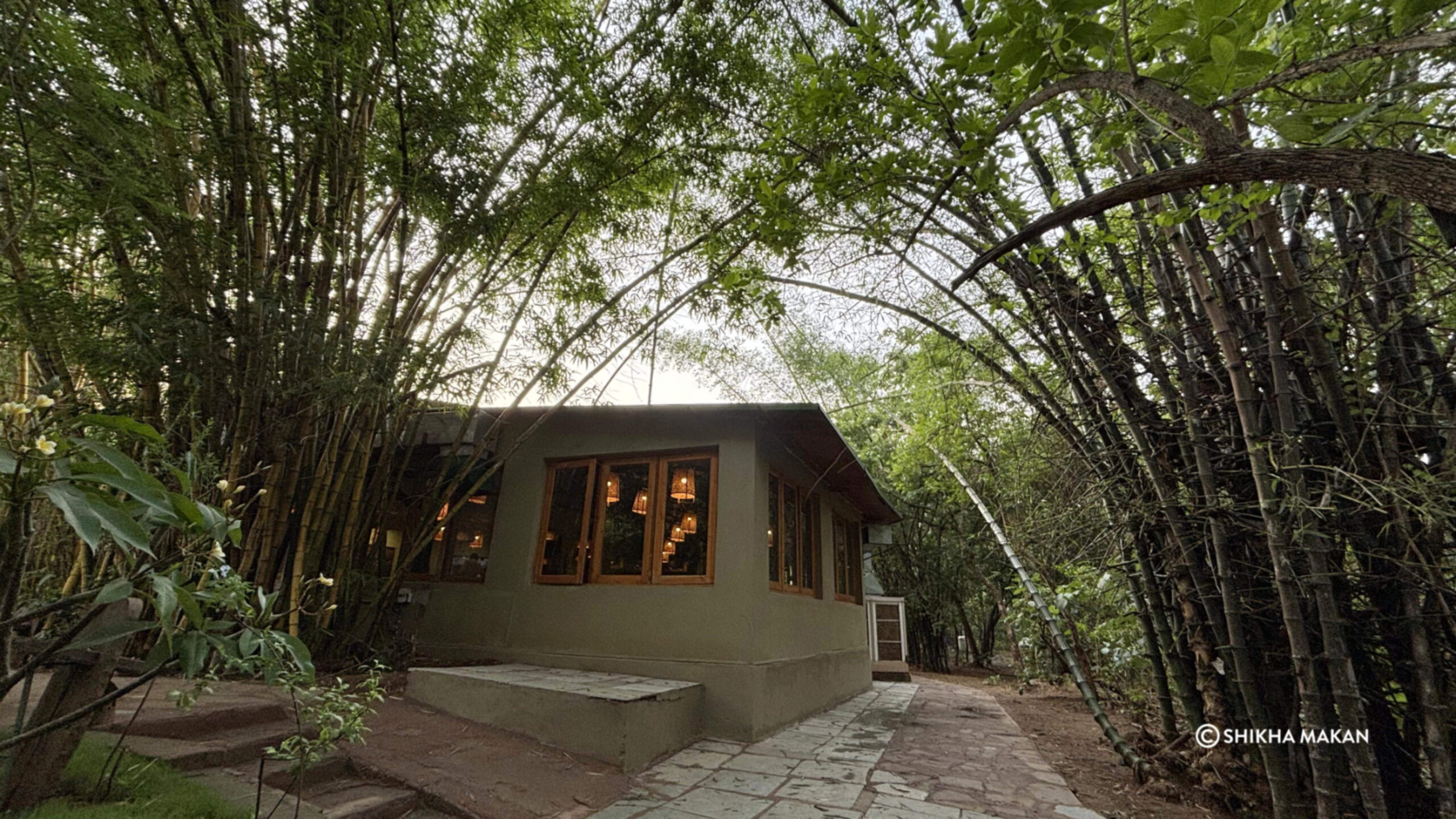
We chose the Pench Jungle Camp as our place of stay. It’s one of the older hotels here, and they still maintain a forested look, carefully cultivated to hide the many cottages inside. Pench Jungle Camp also runs many successful conservation efforts in these forests.
Since we were staying close to the Turia Gate, we booked safaris there. Our last vist to Pench was in 2010 or so. In the meantime, we have had many, many safaris, mostly in Rajasthan, especially Ranthambhore, and in the past decade, we learnt more about forests, trees, soil, weather, wildlife and the fact that different forests are different, not just a bunch of trees. We have learnt to appreciate thick forests, scrubs, grasslands, deserts, evergreen rain forests etc. And having visited Pench after a 15 year gap, what stayed in our hearts was how tall the trees are.
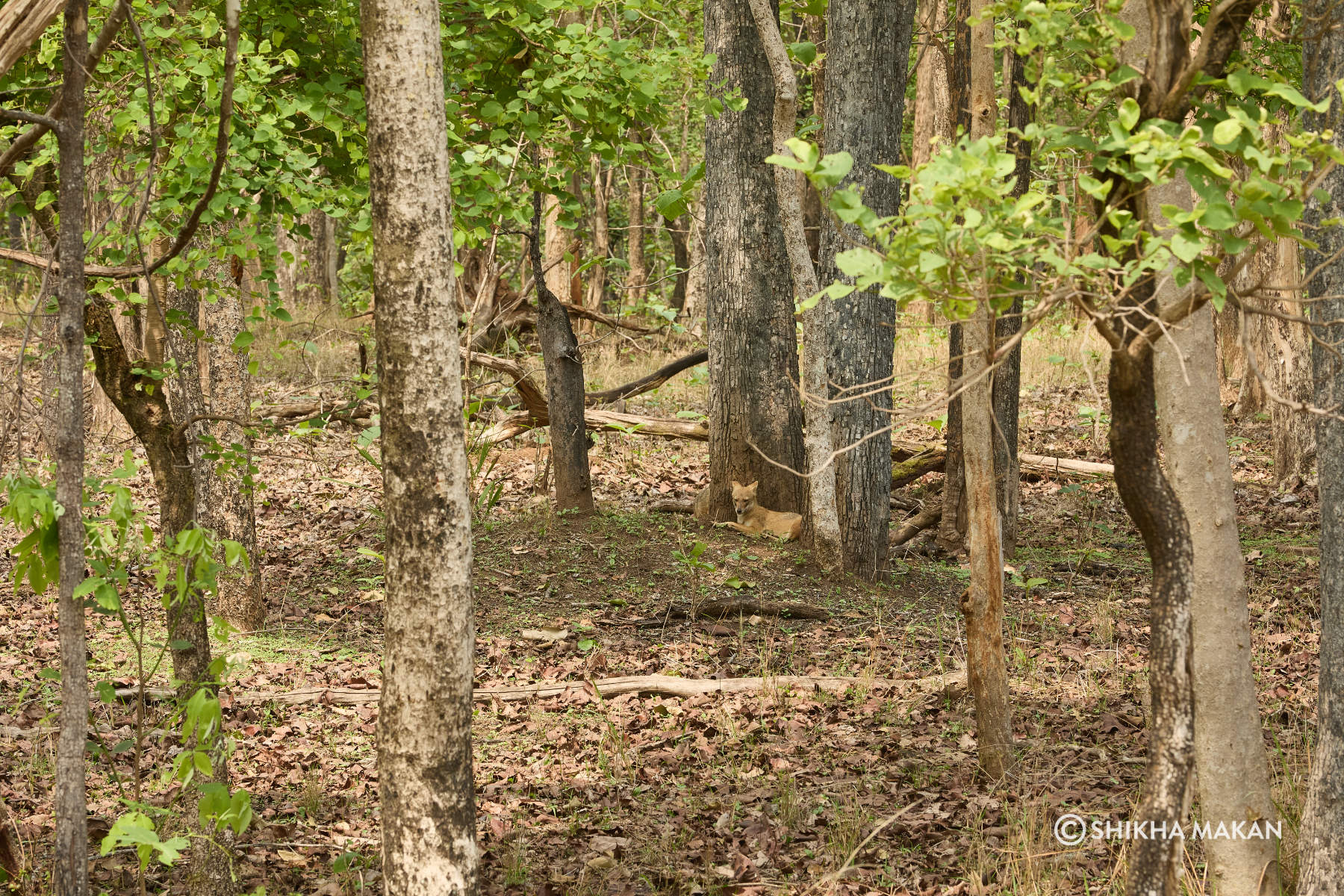
Yes, we saw tigers, deer, birds etc. But what we remembered from Pench were the towering trees, the Arjuns, the Tendu, the Sals, the Mahuas (I have never seen such tall Mahua trees in Western Maharashtra, or maybe I haven’t seen Maharashtra enough), Saaj, Bijayasal (Indian Kino) and many others. Star struck, we stared and stared at the canopies! Pench is an amazing jungle you must not miss.
The river Pench runs through the Pench Tiger Reserve, almost dividing it in two halves. To the south of the river, is Pench Maharashtra. The Pench Jungle Camp is located very close to the Turia Gate in Madhya Pradesh, and the Sillari Gate in Maharashtra. We had the good fortune to experience both.
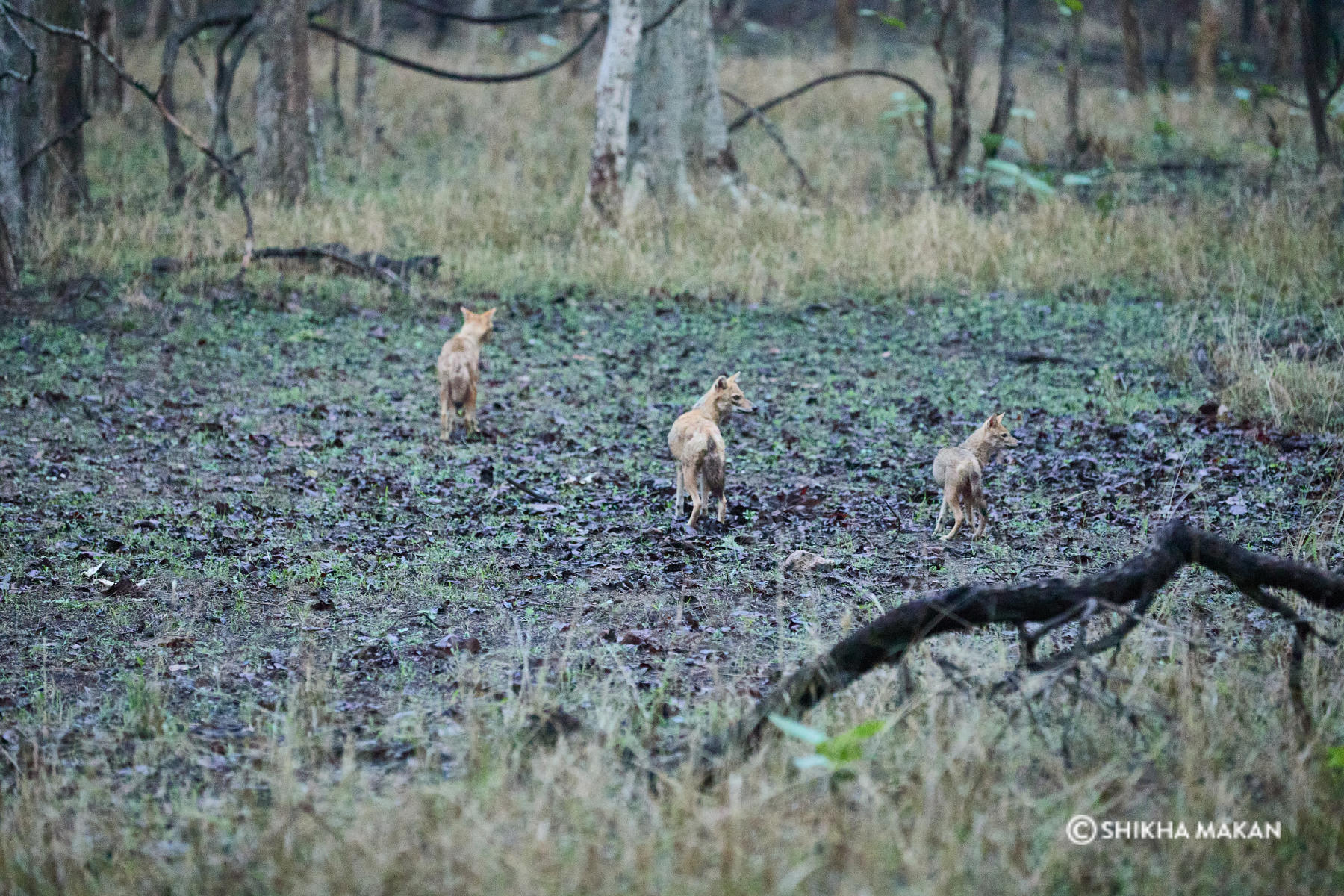
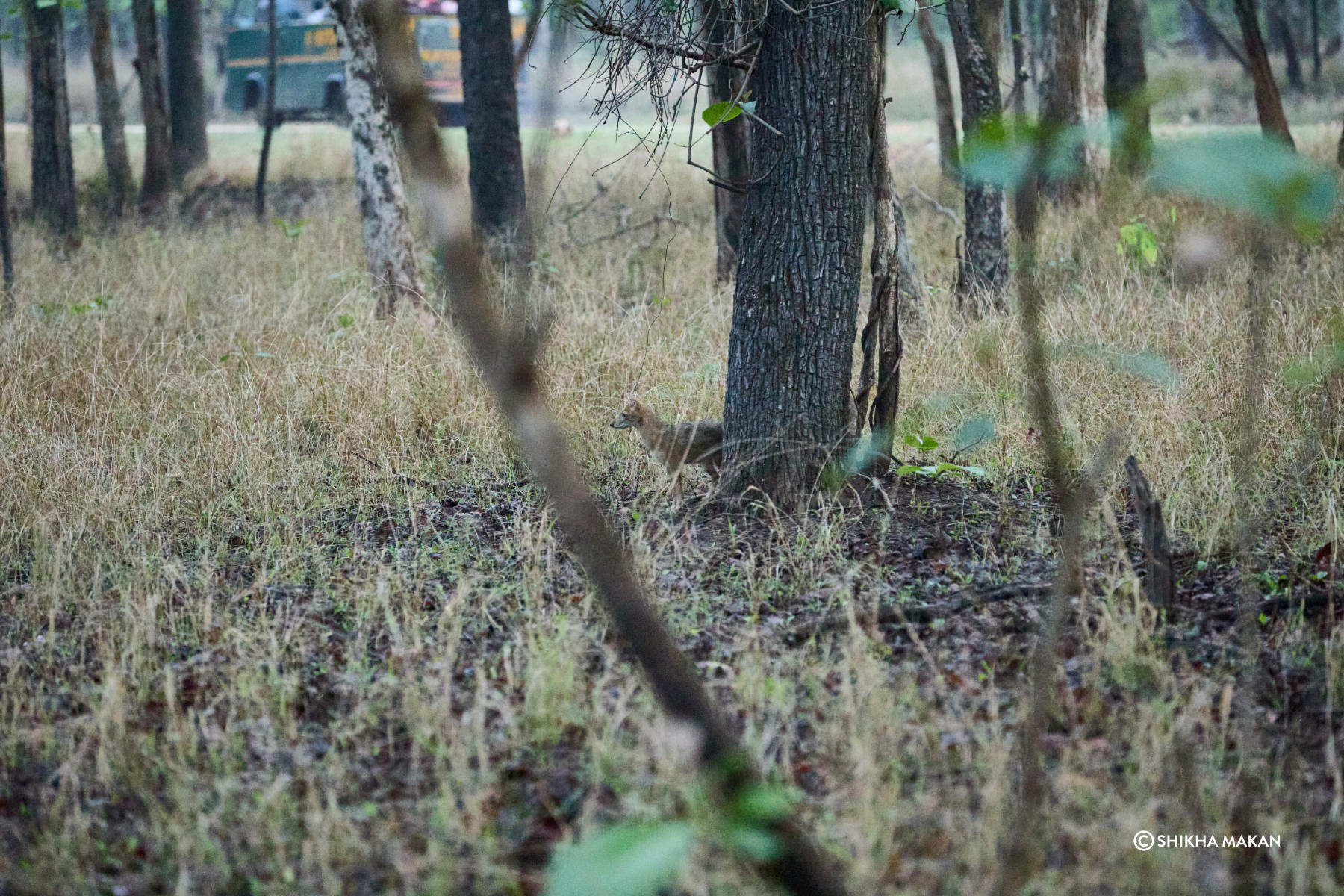
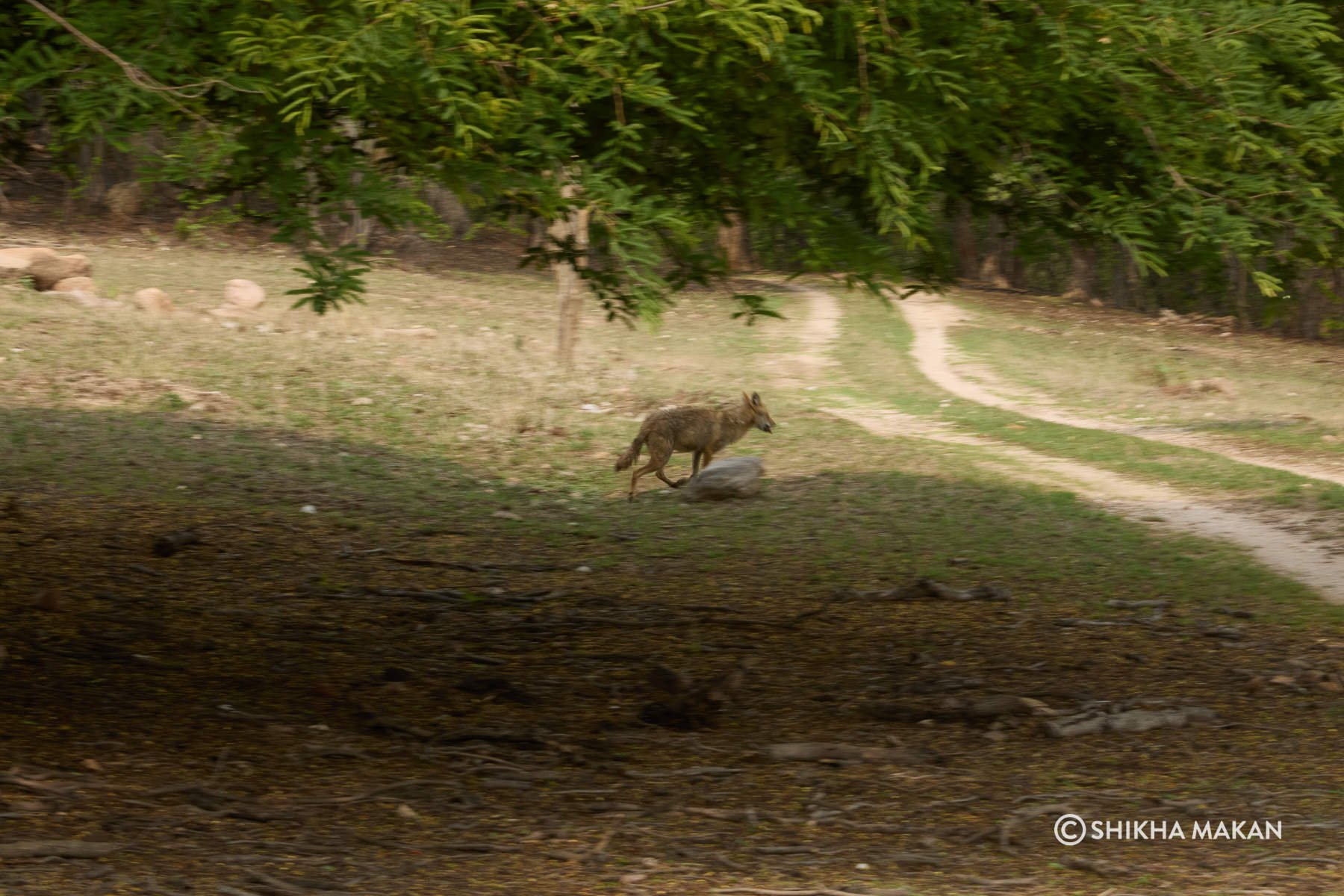
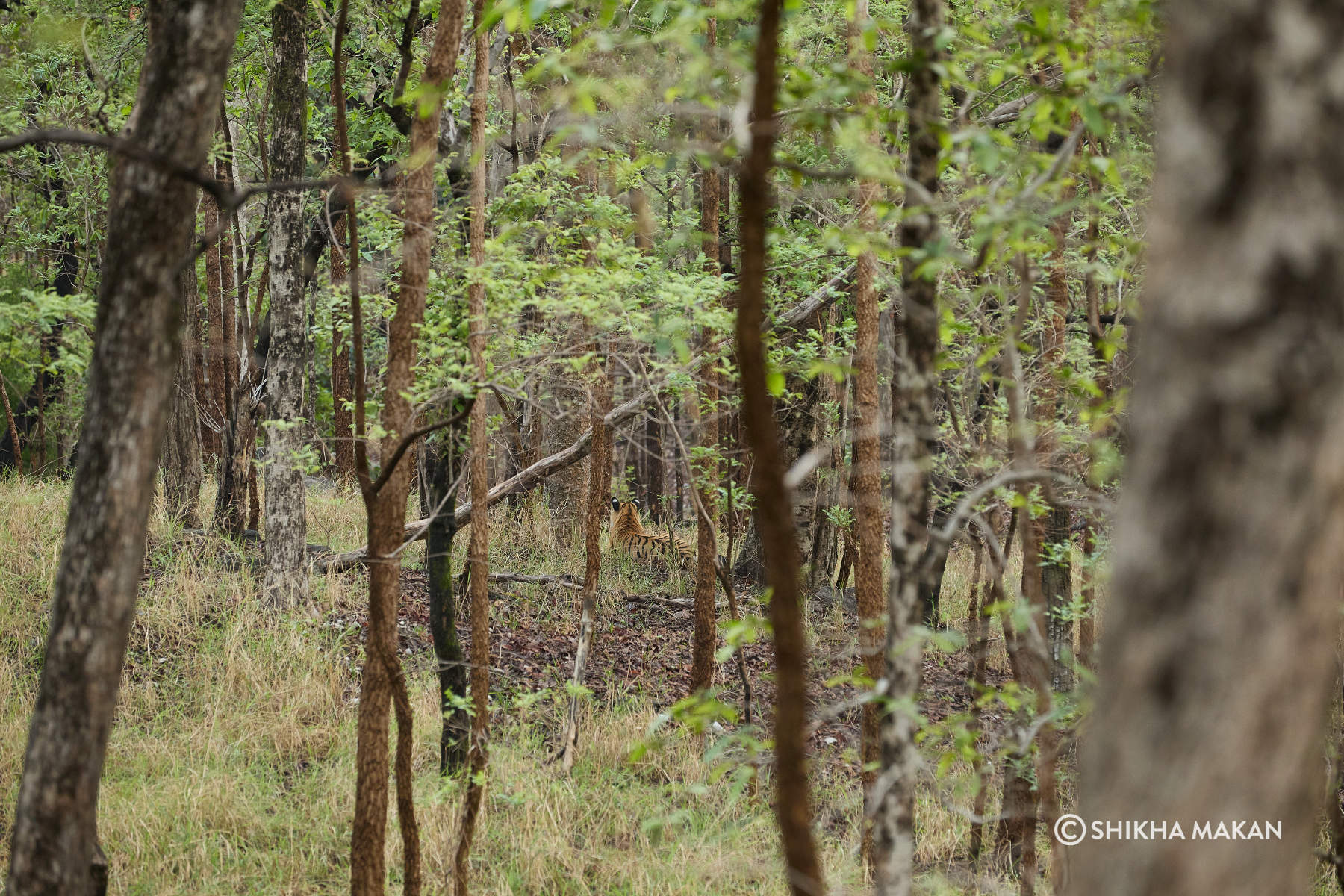
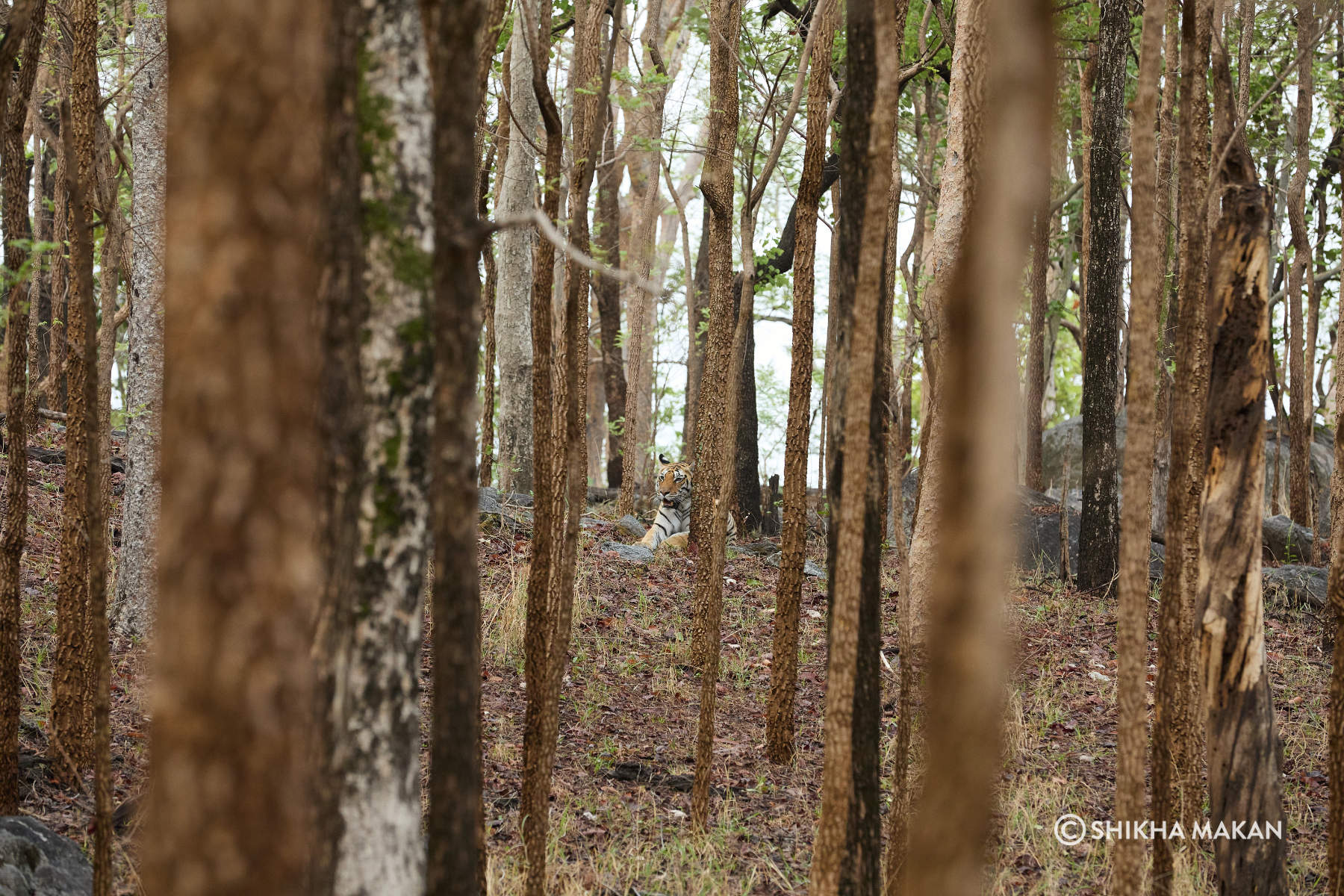
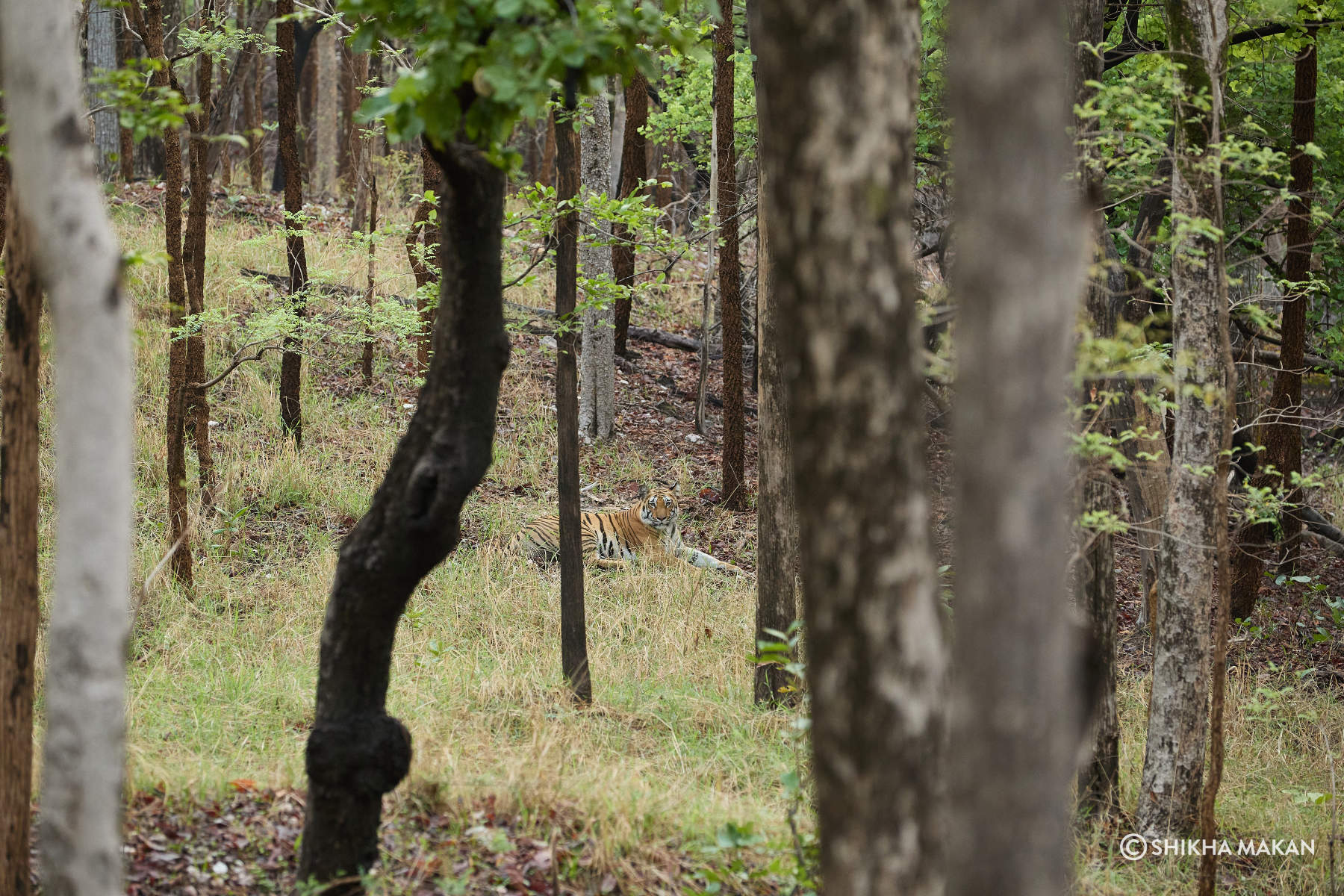
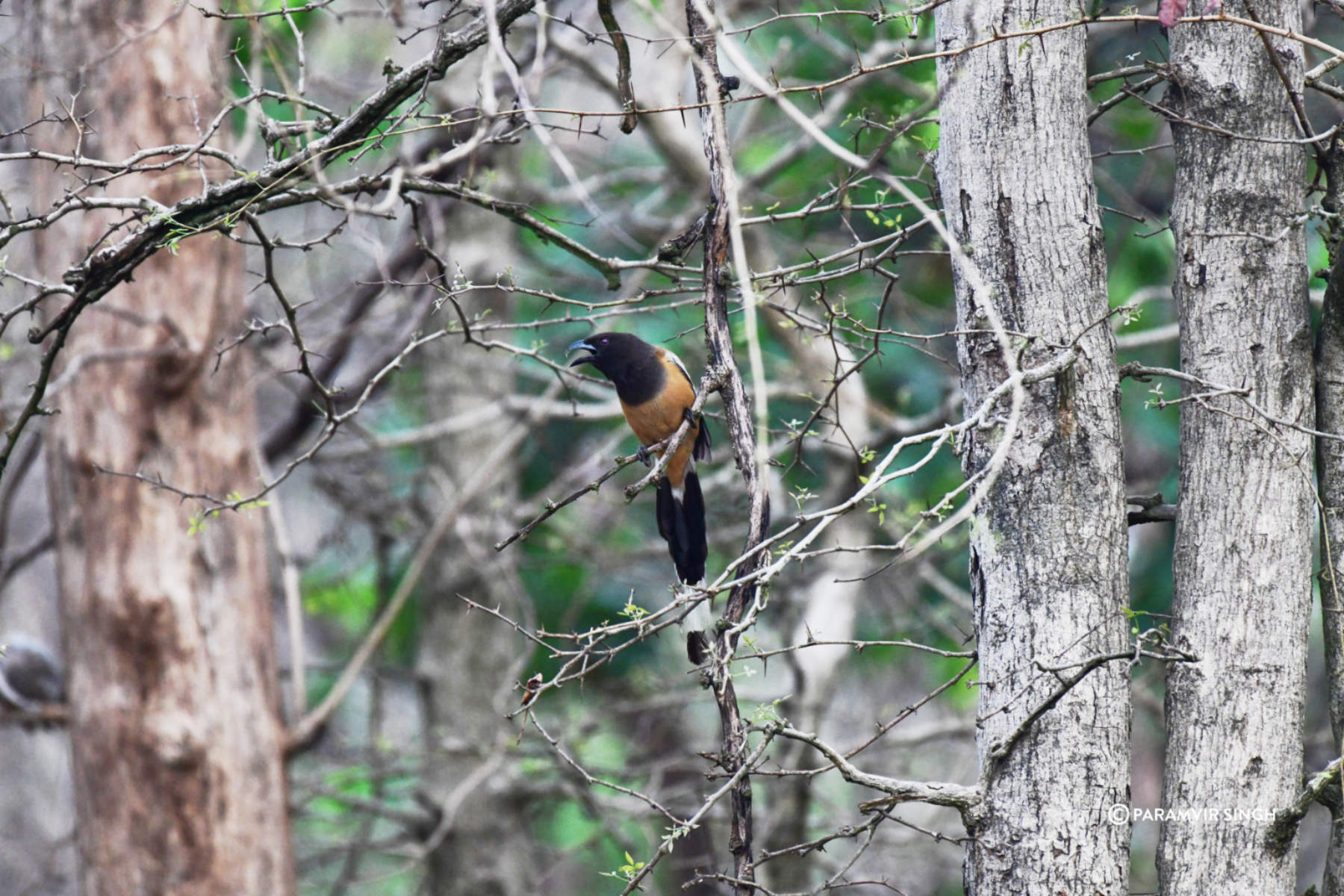
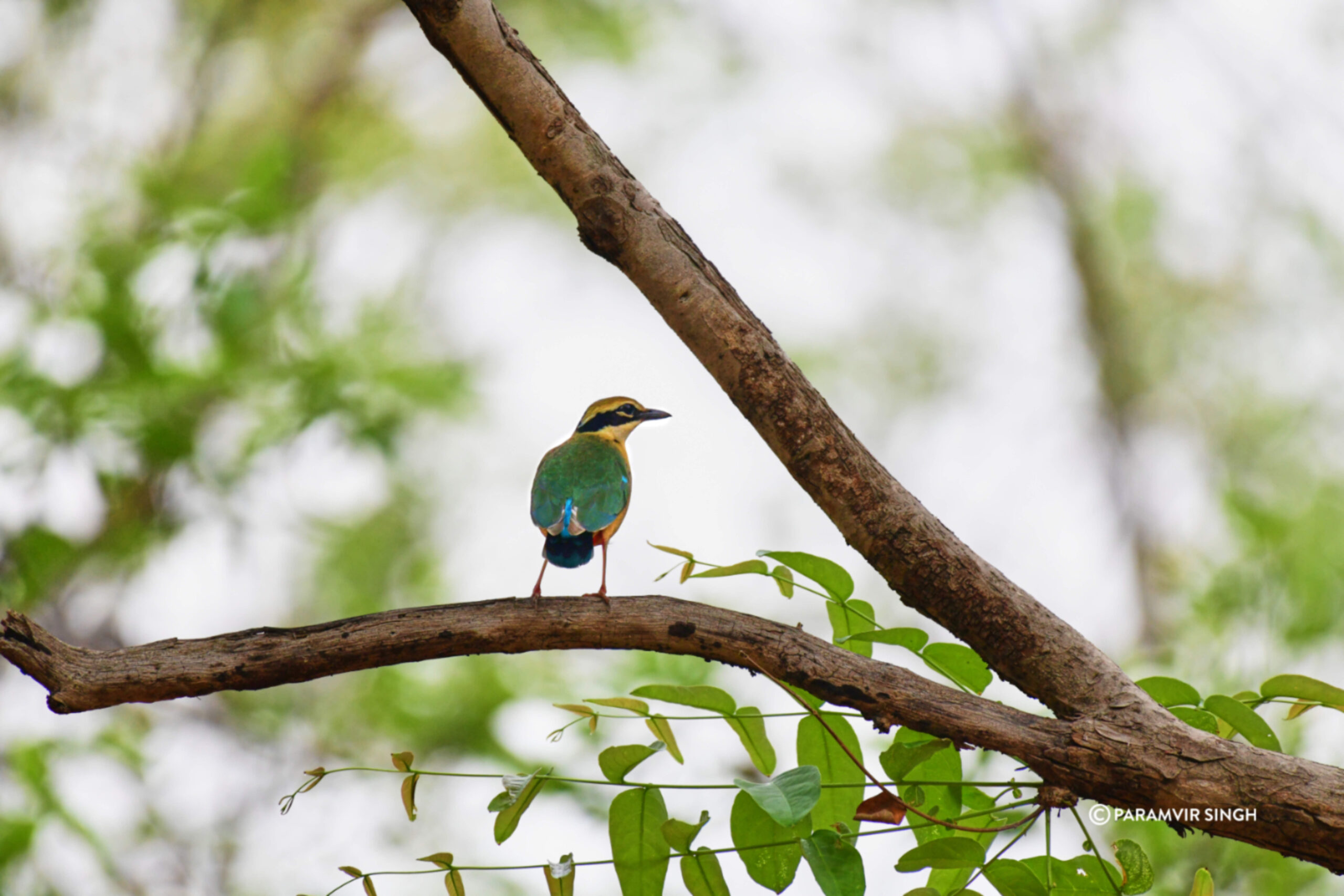
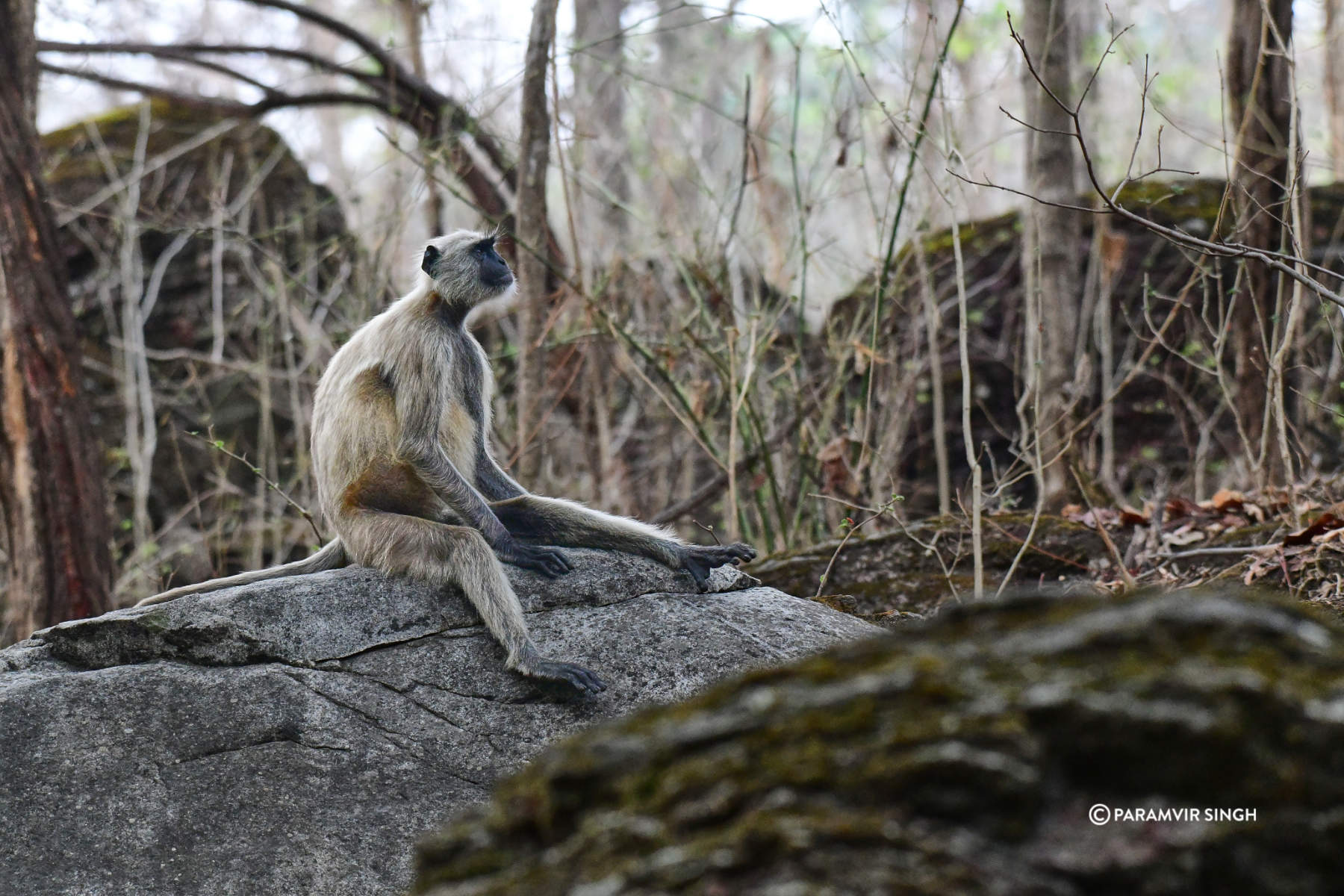
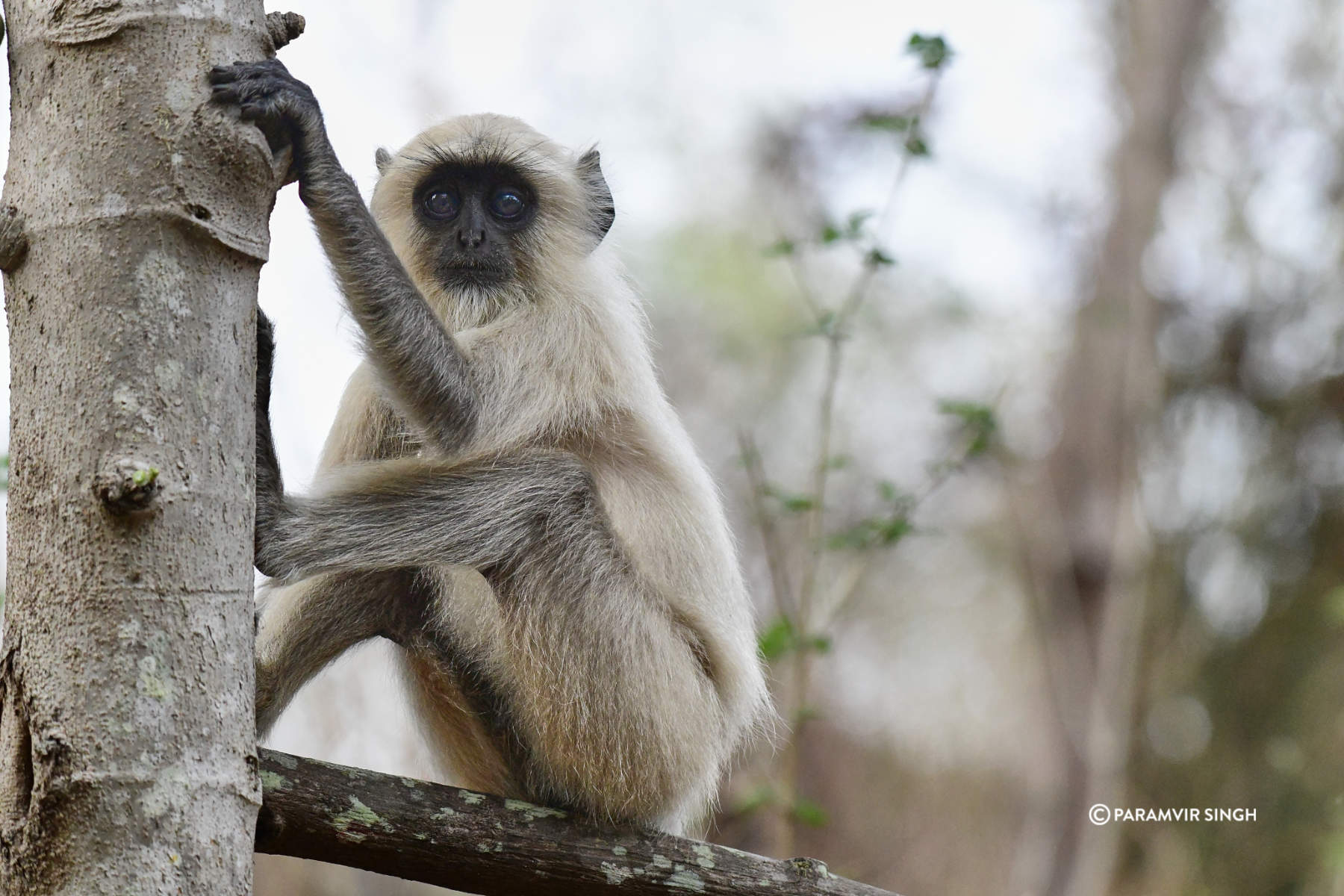
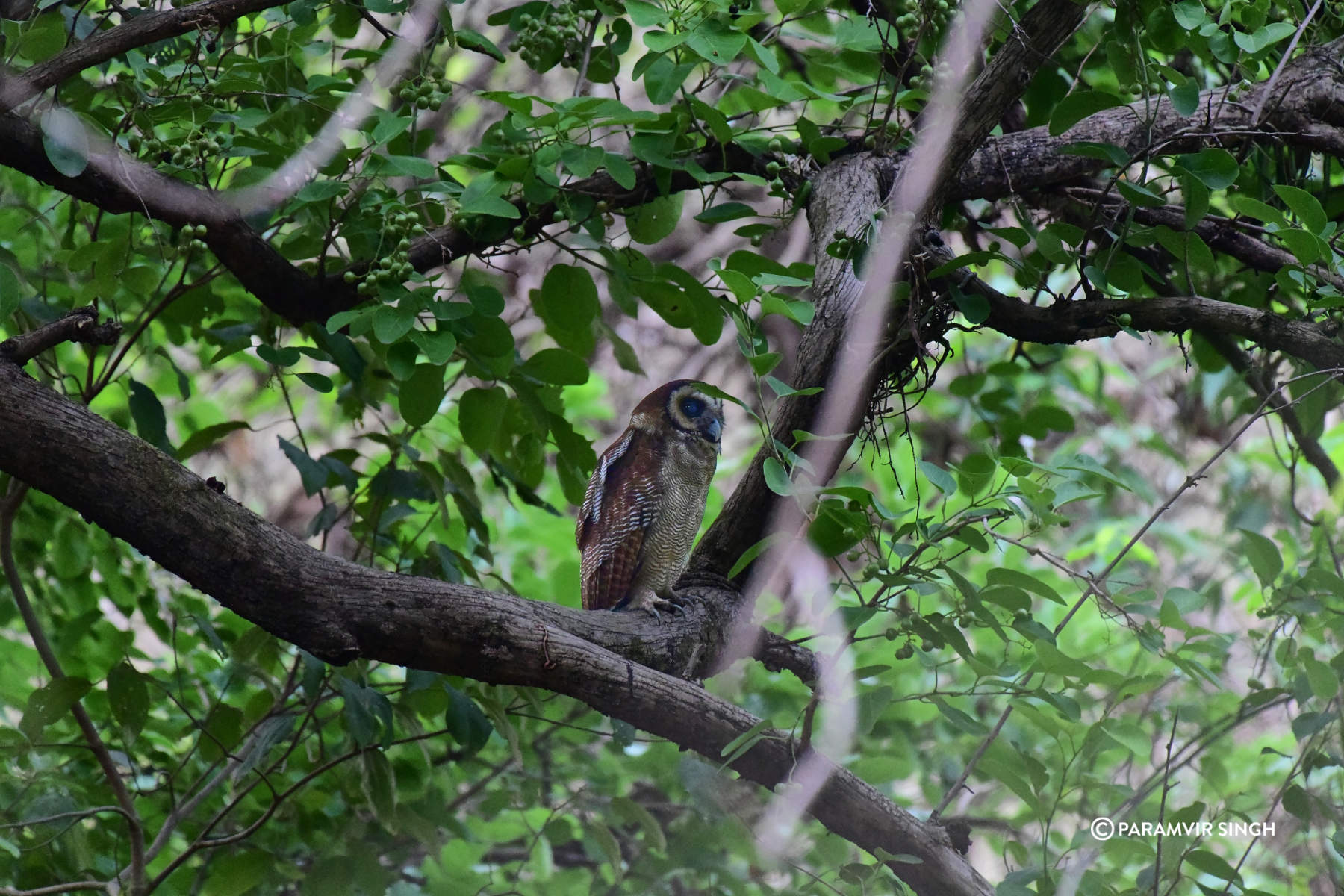
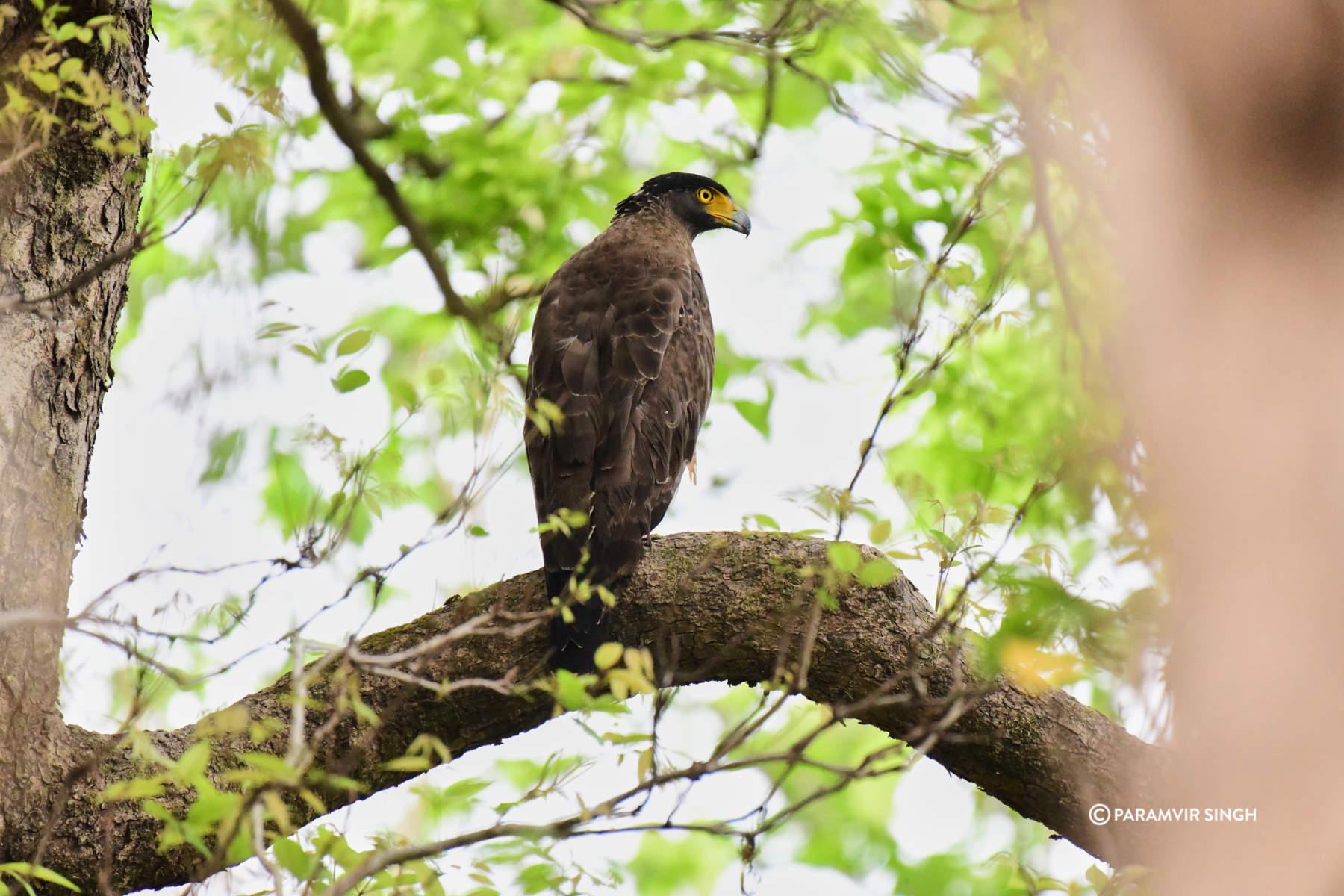
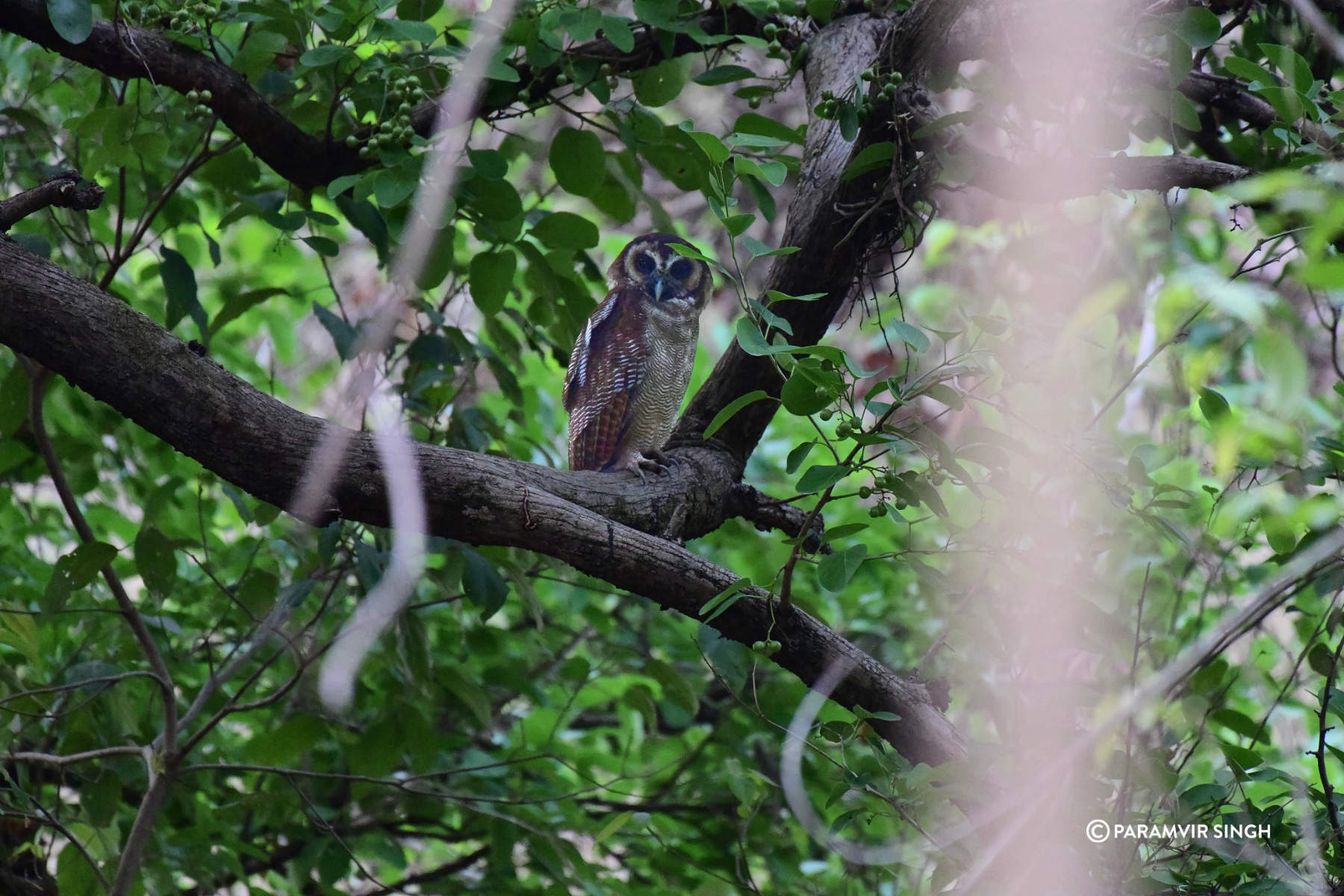
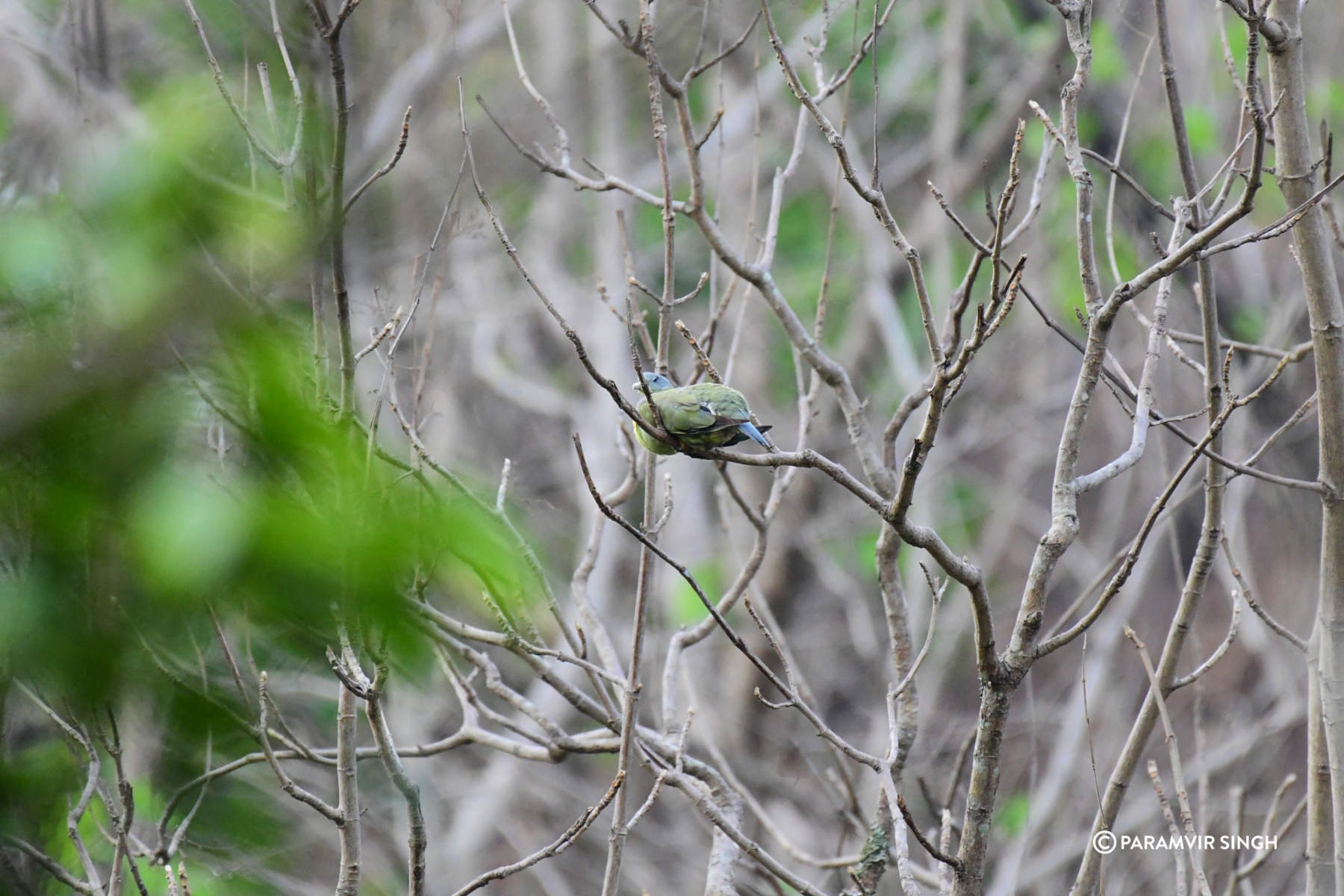
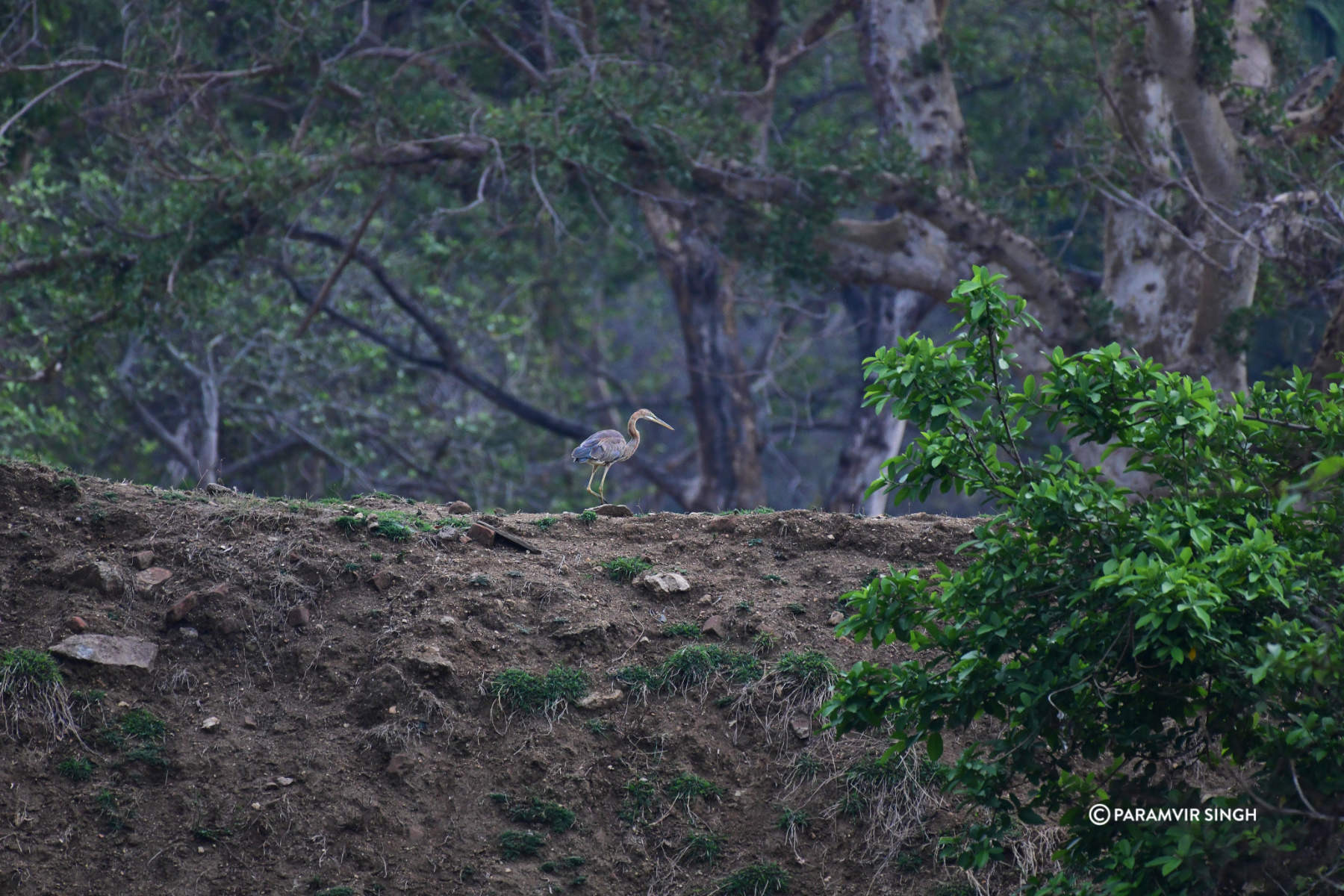
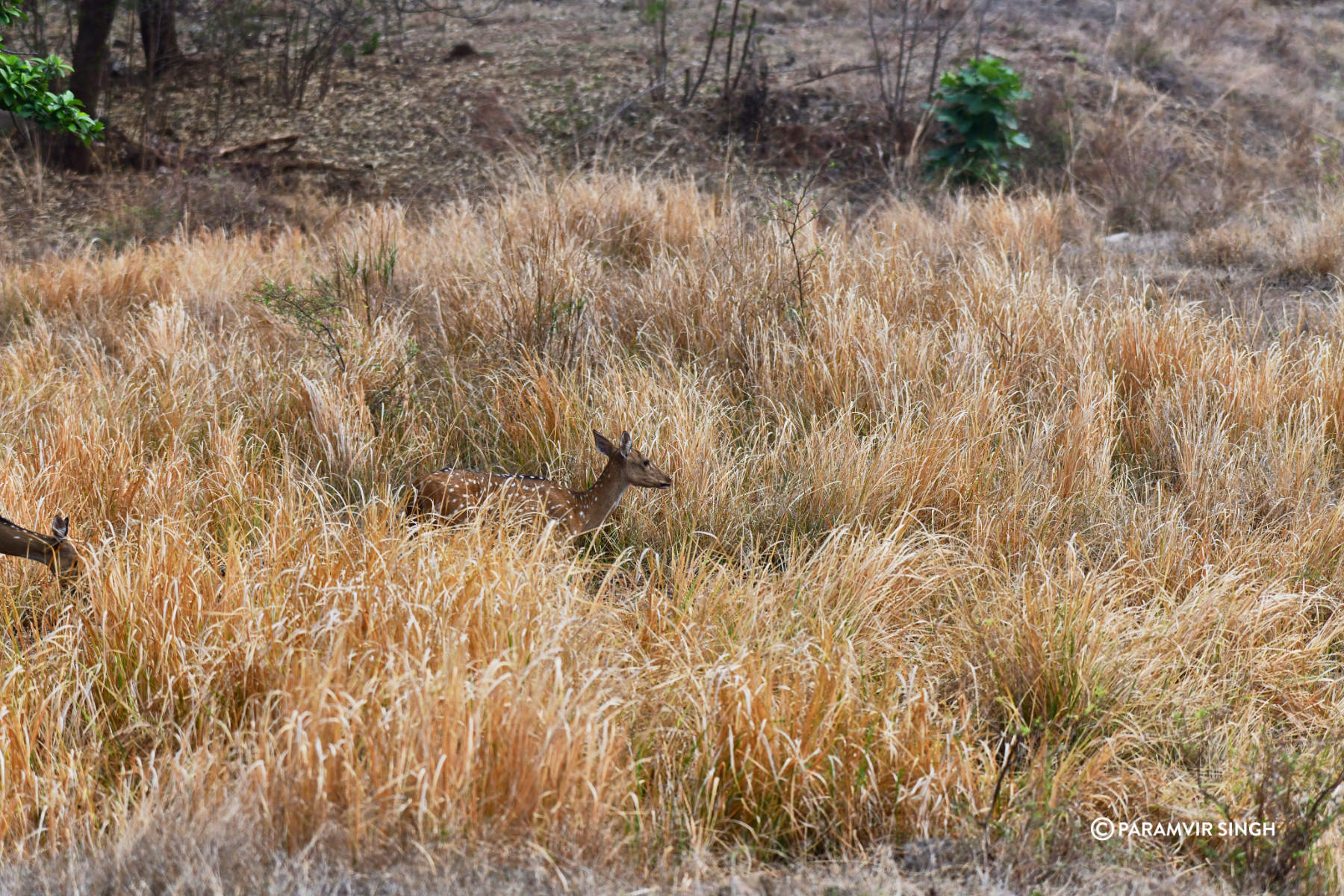
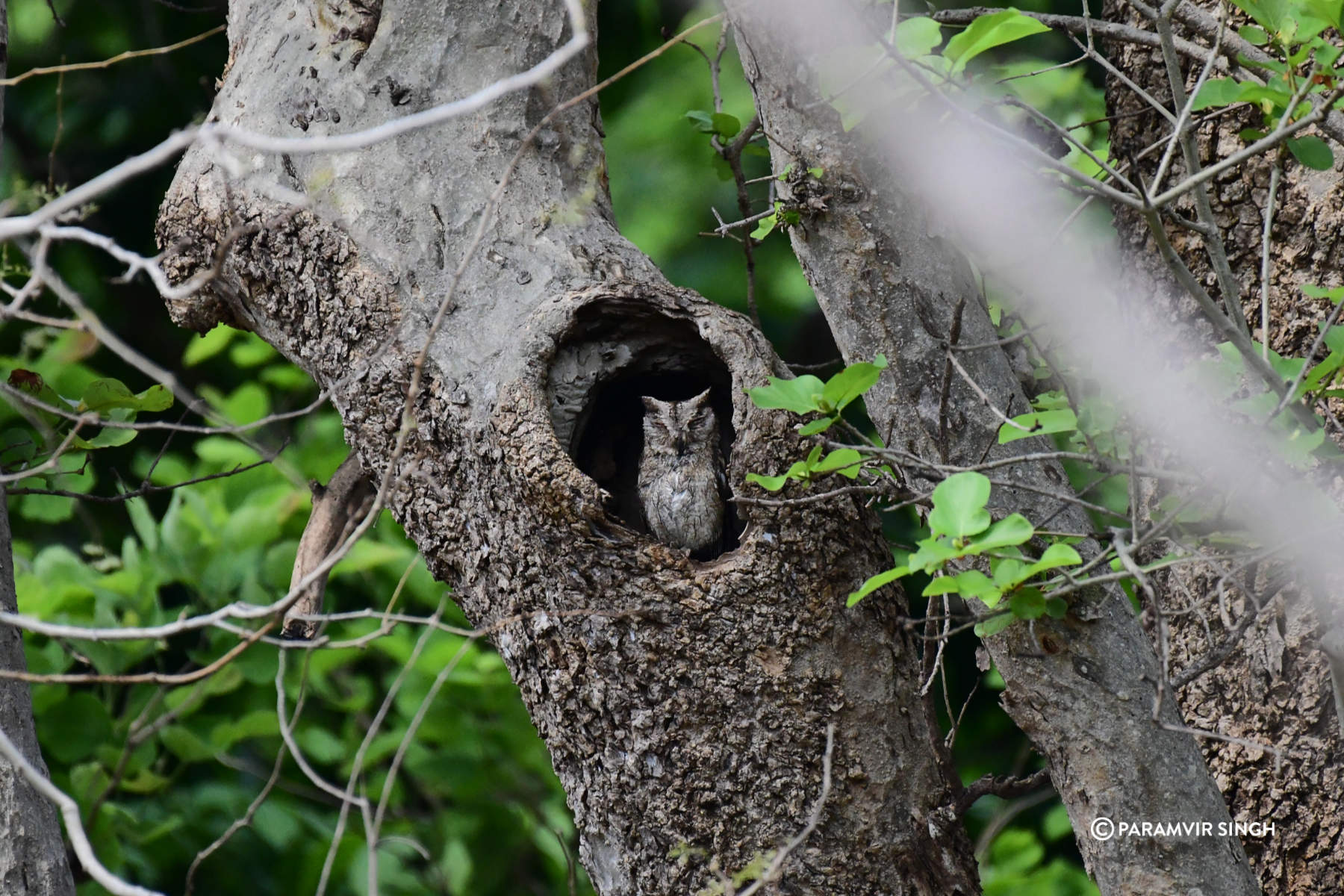
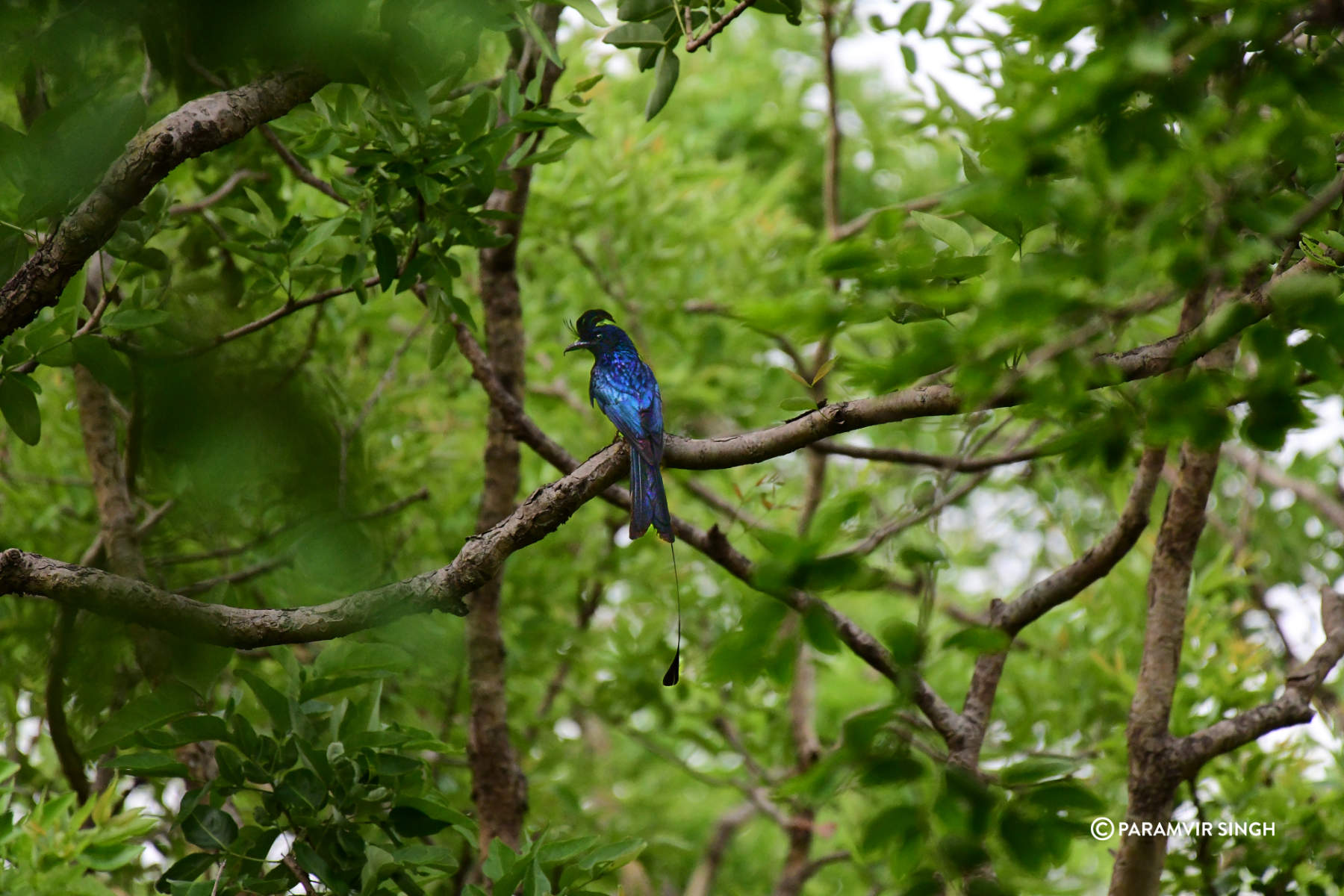
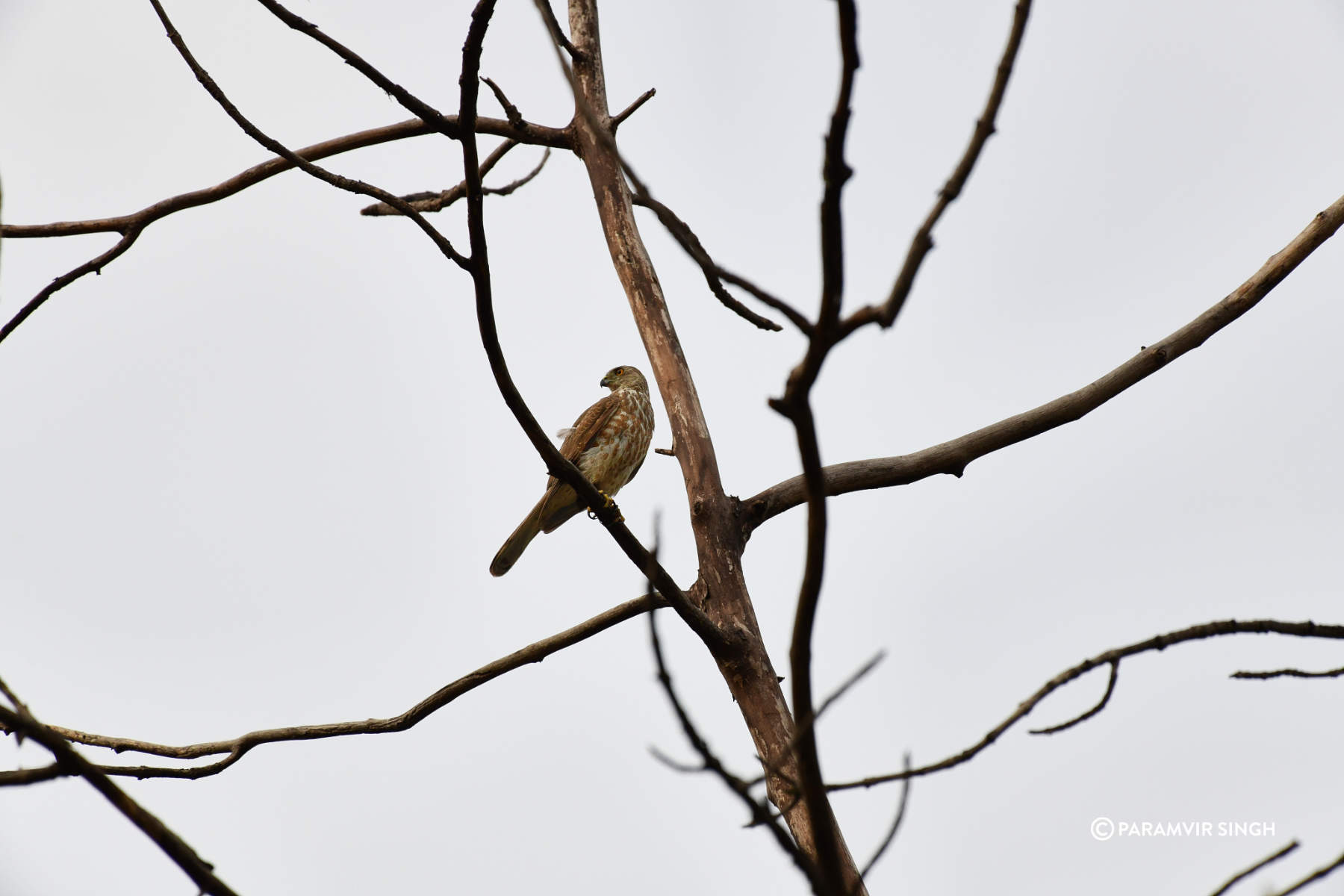
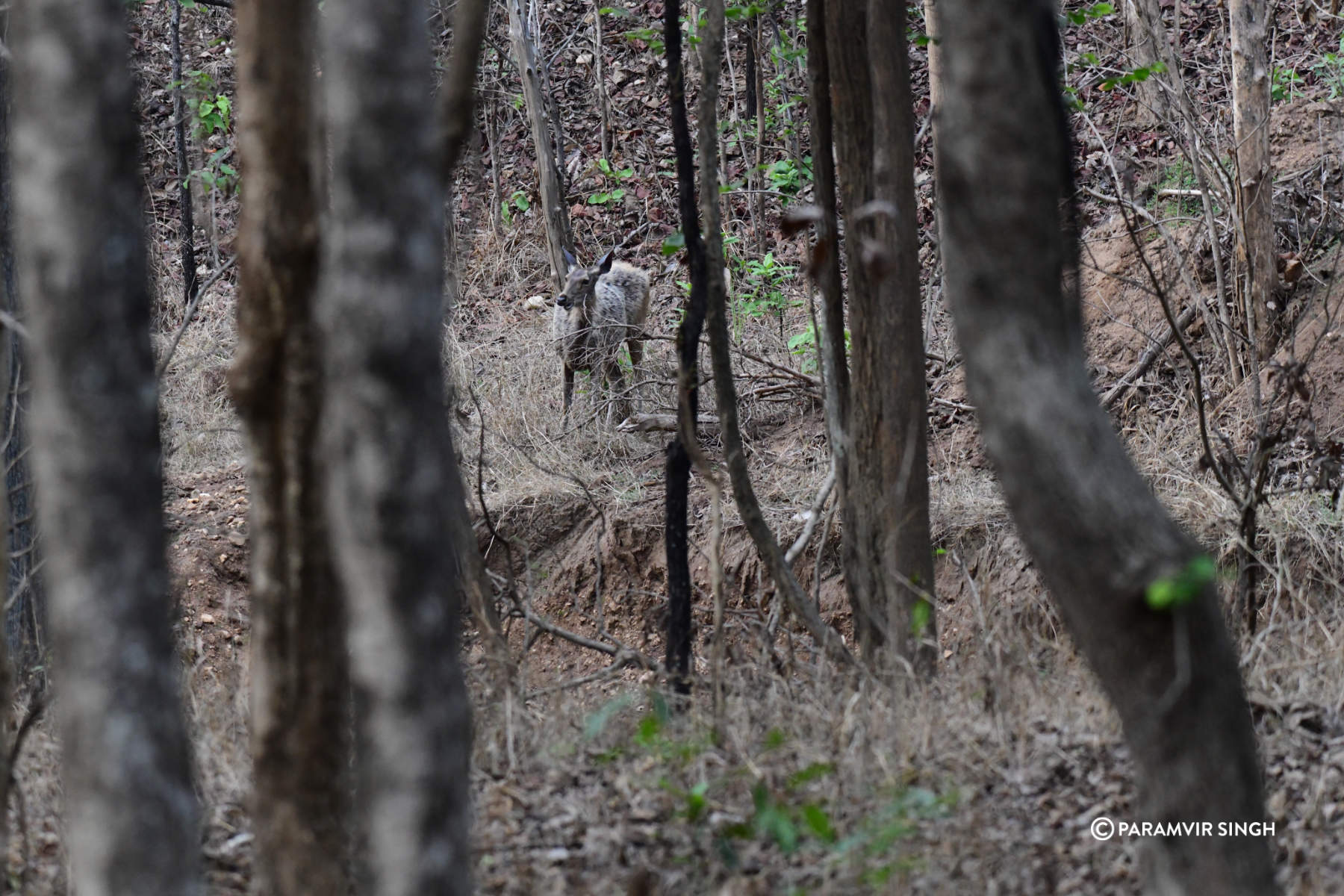
Sambar Deer
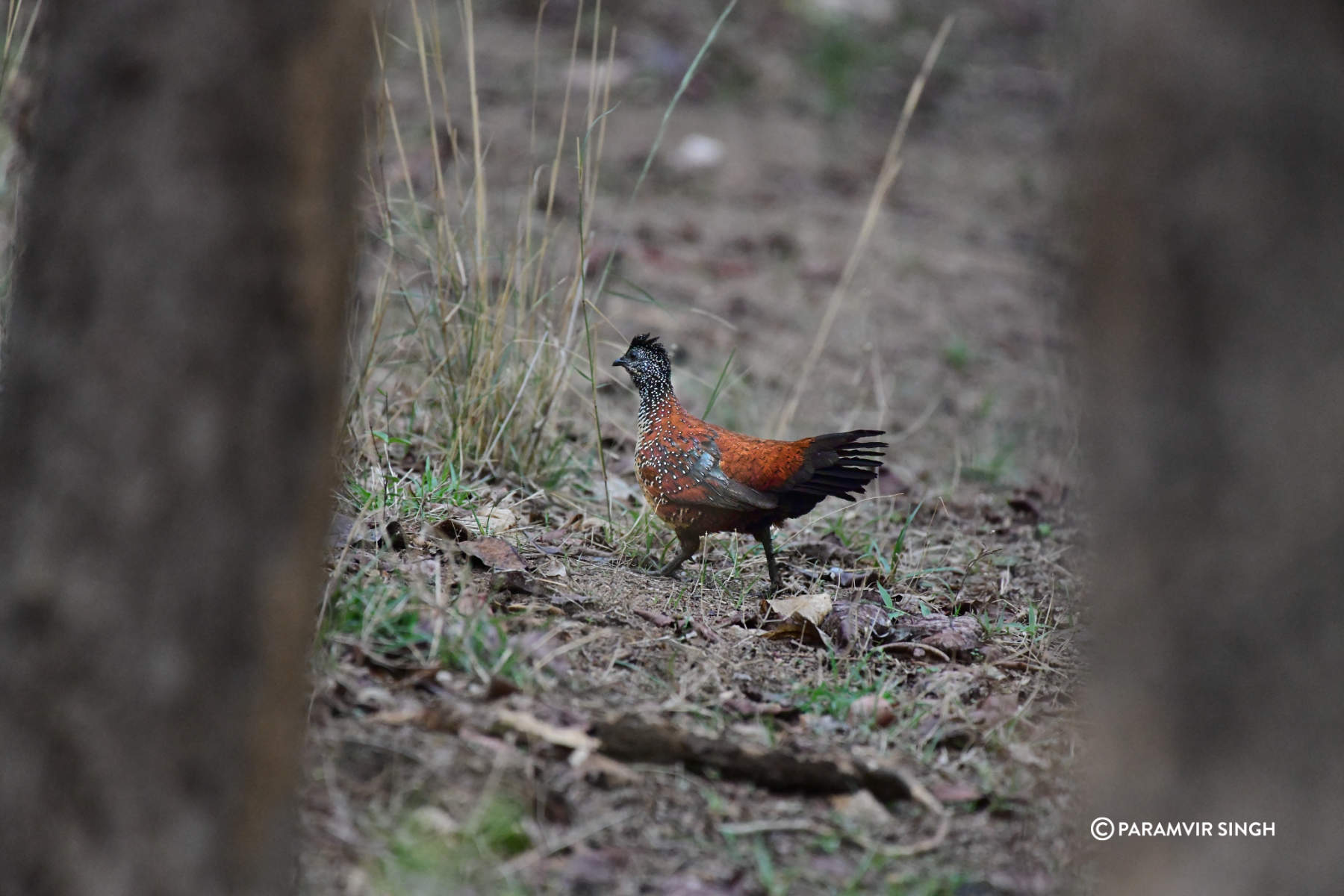
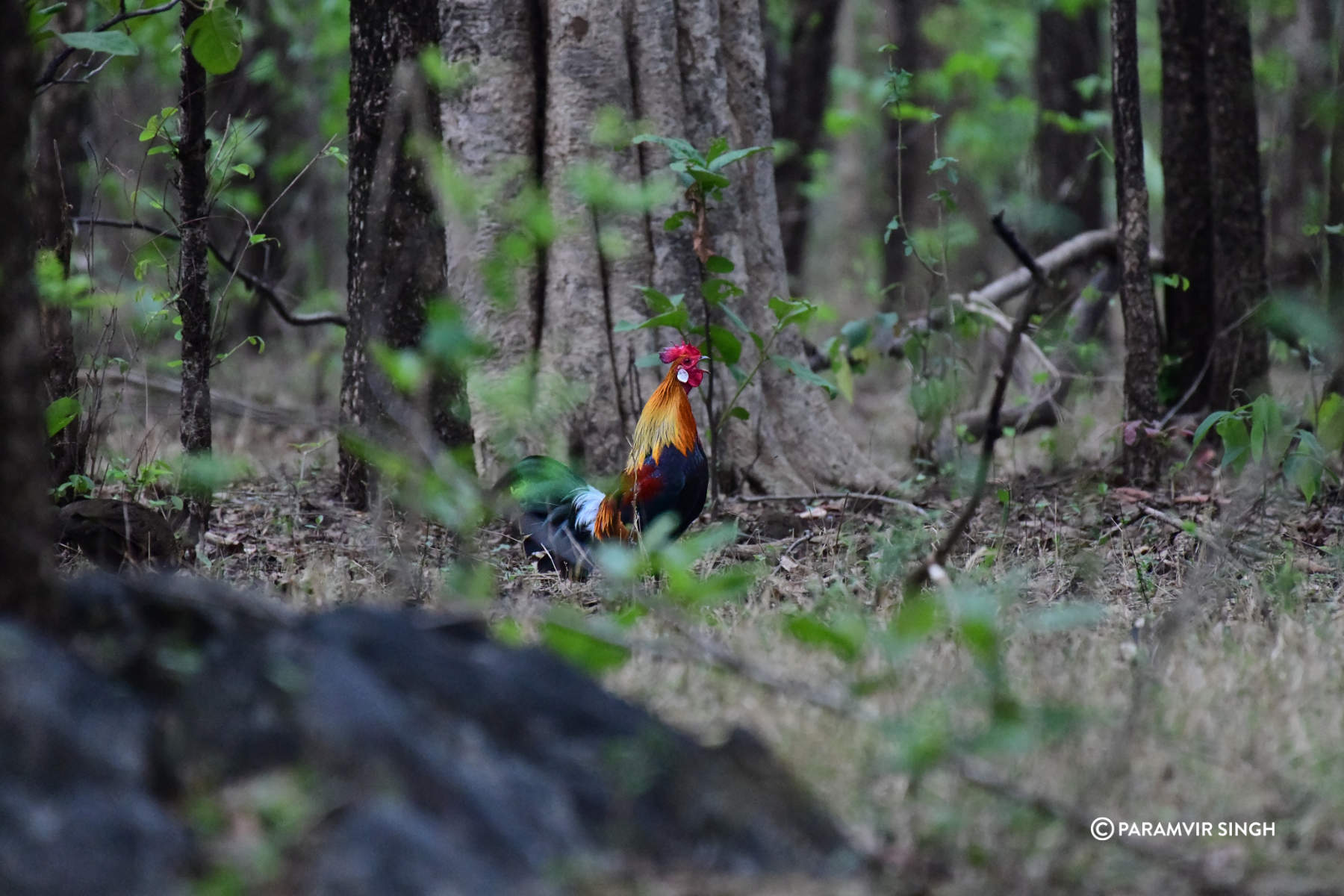
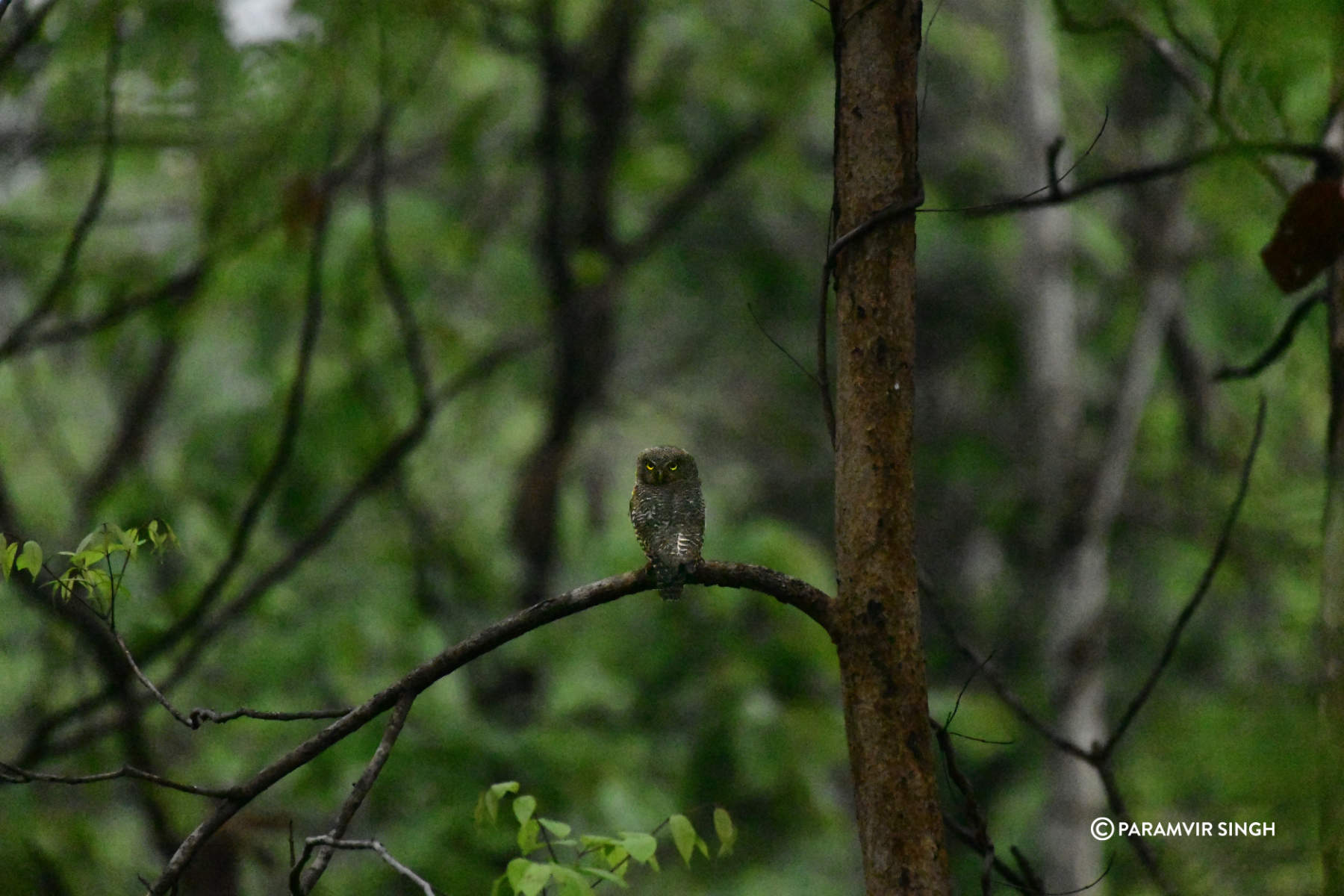
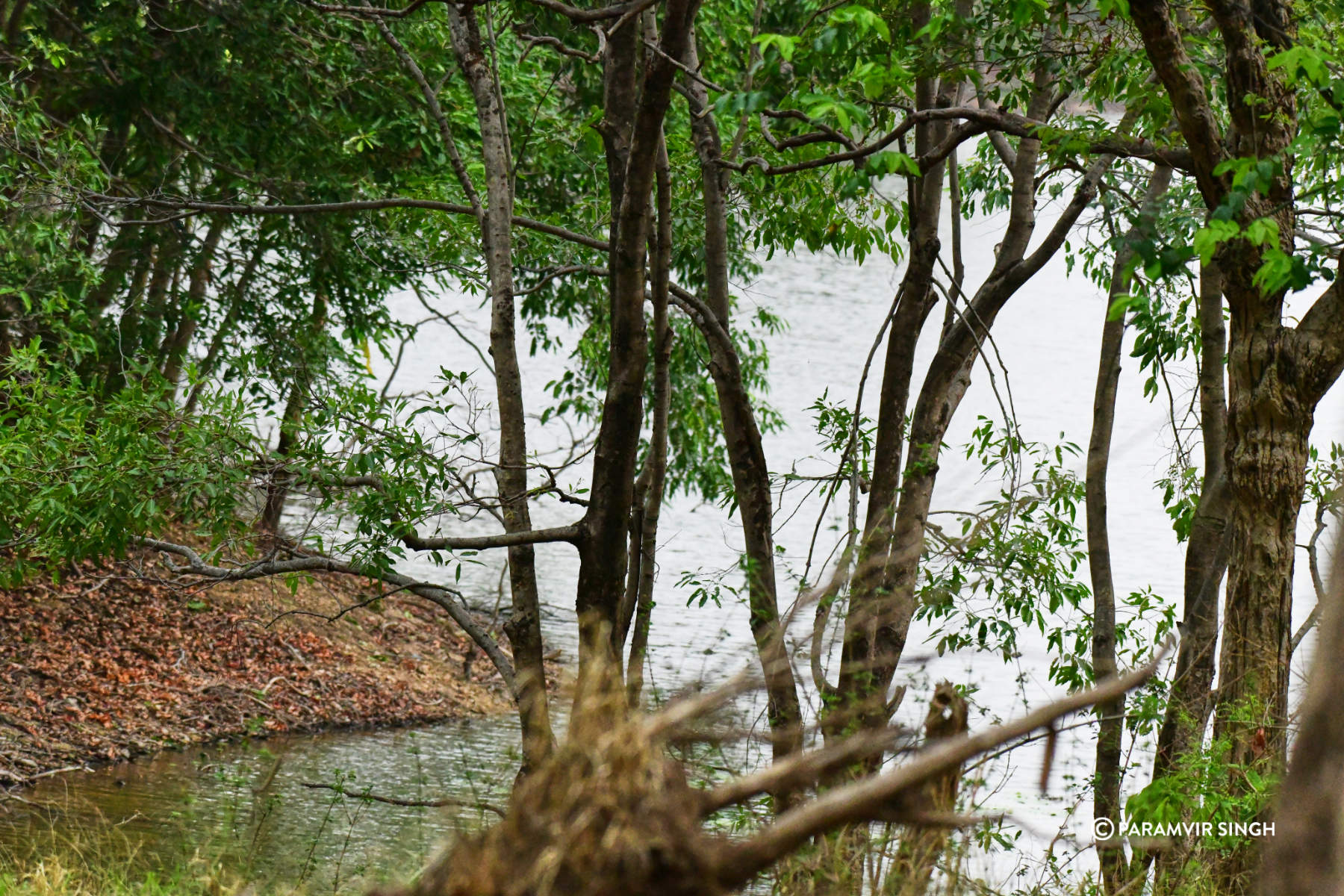
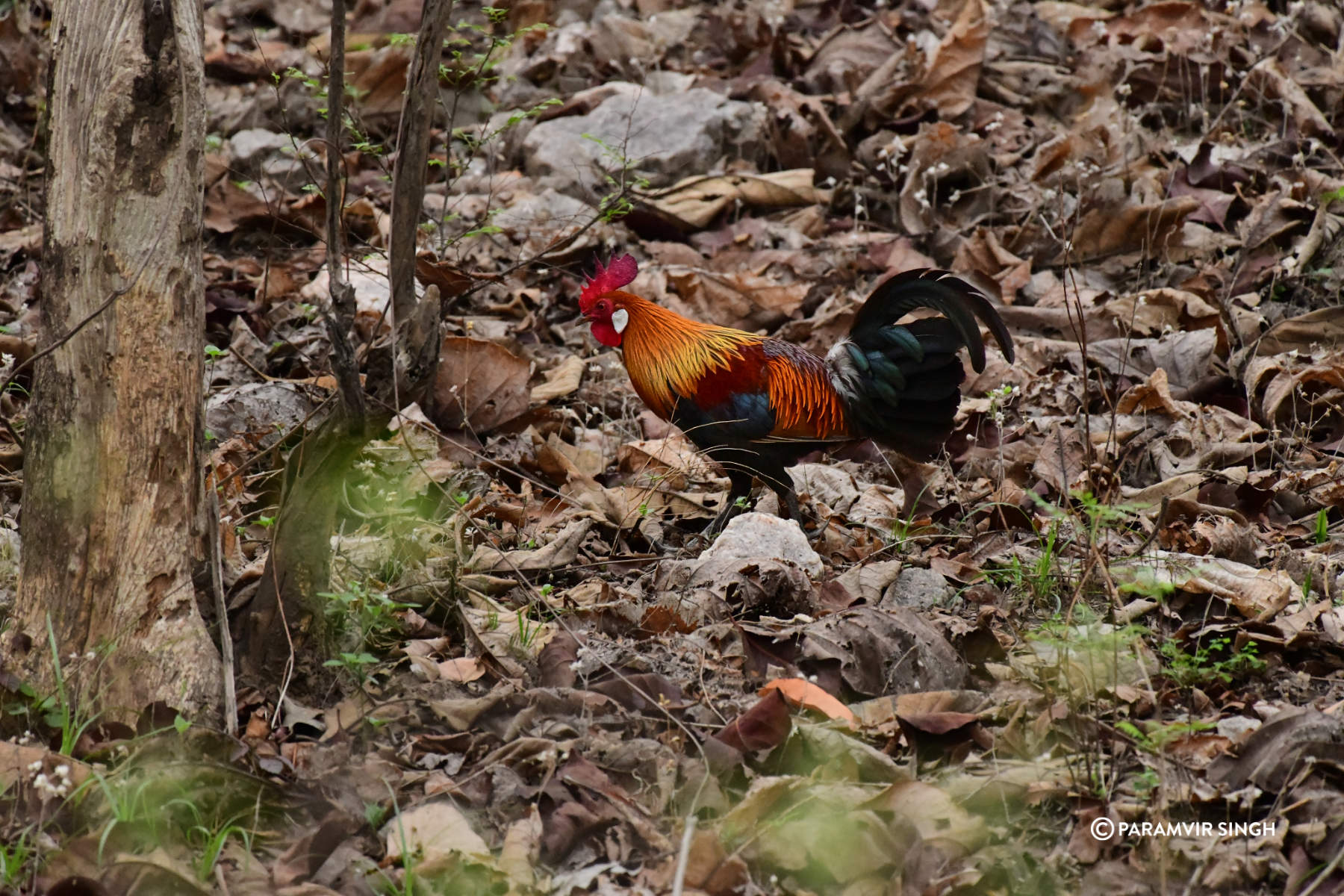
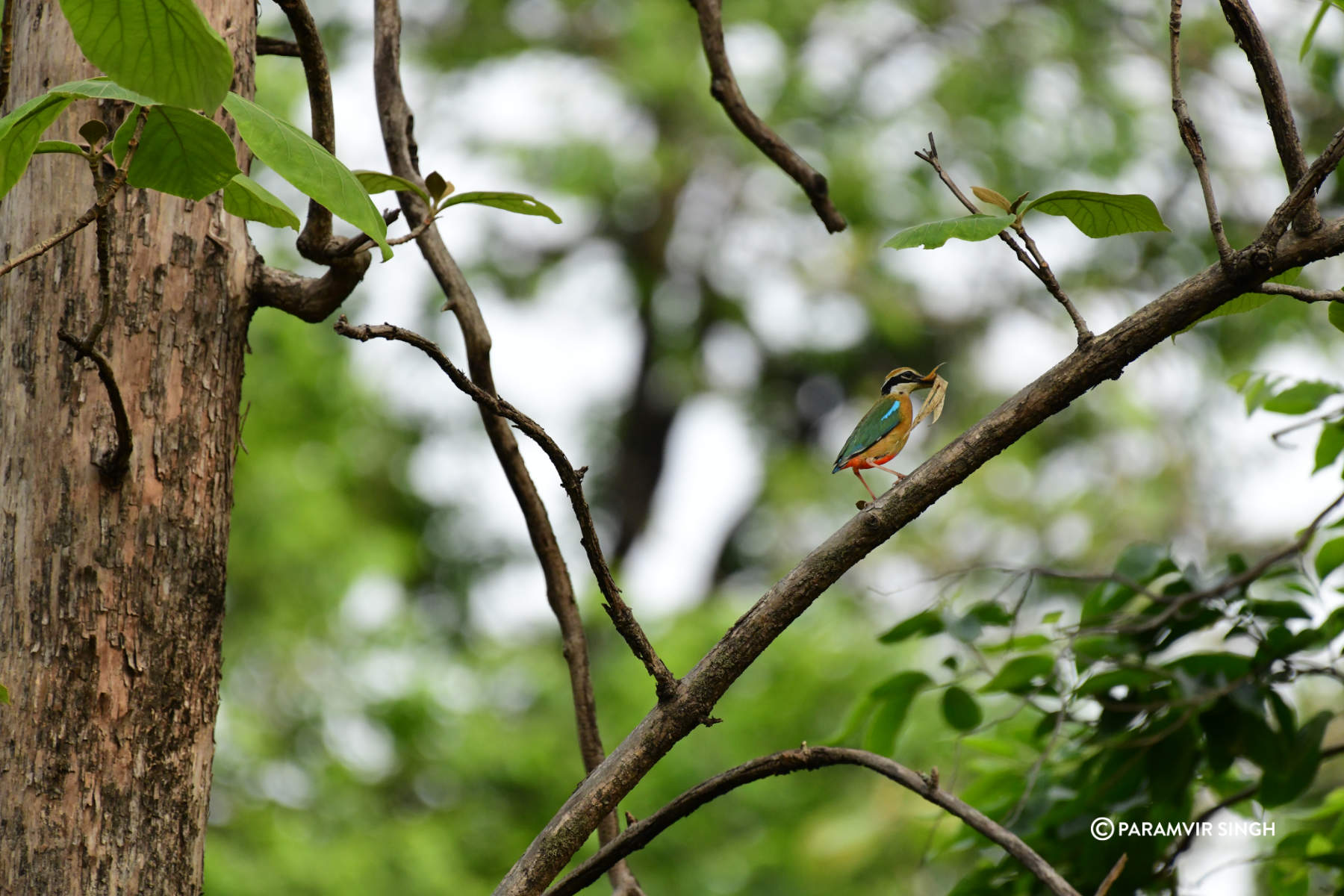
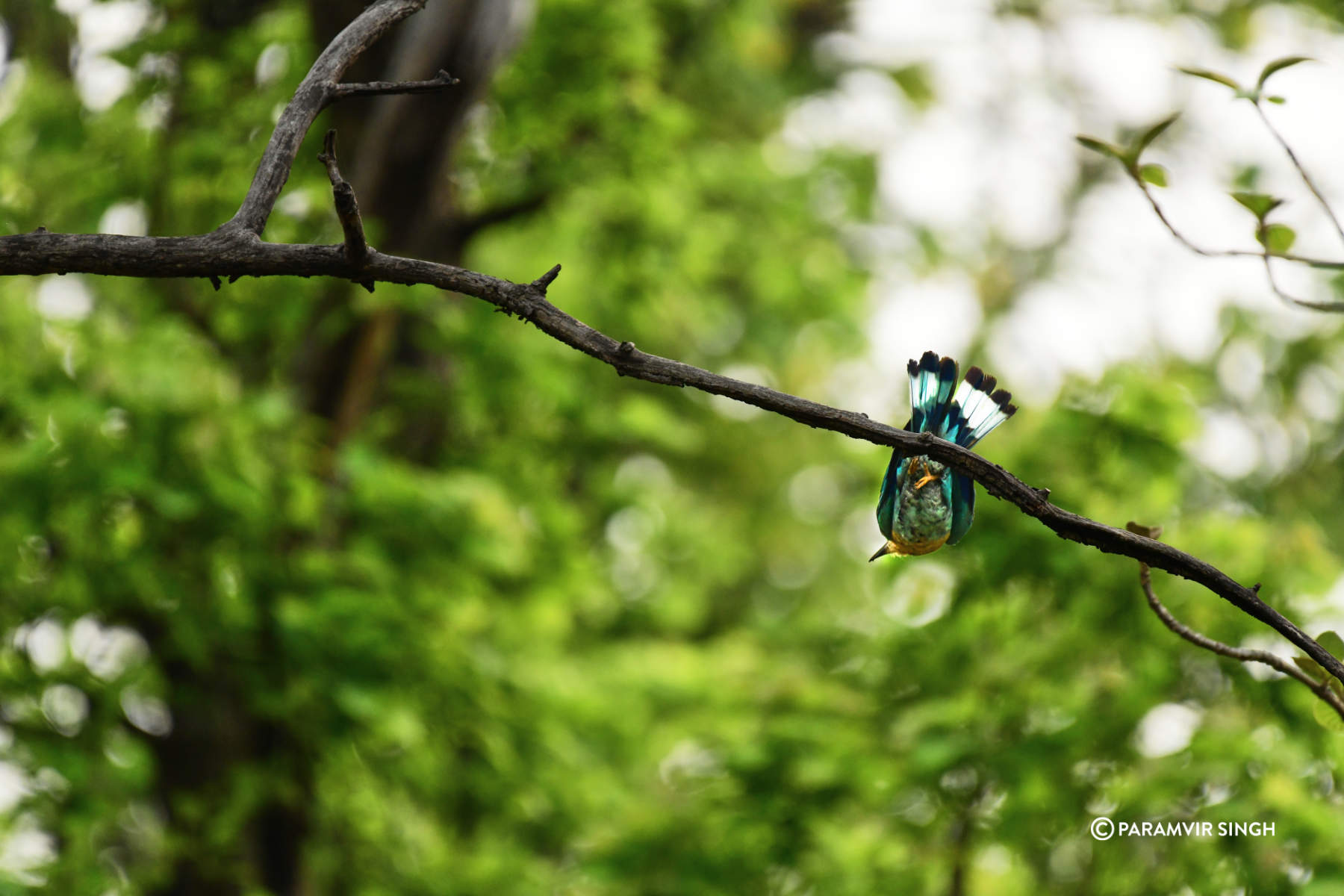
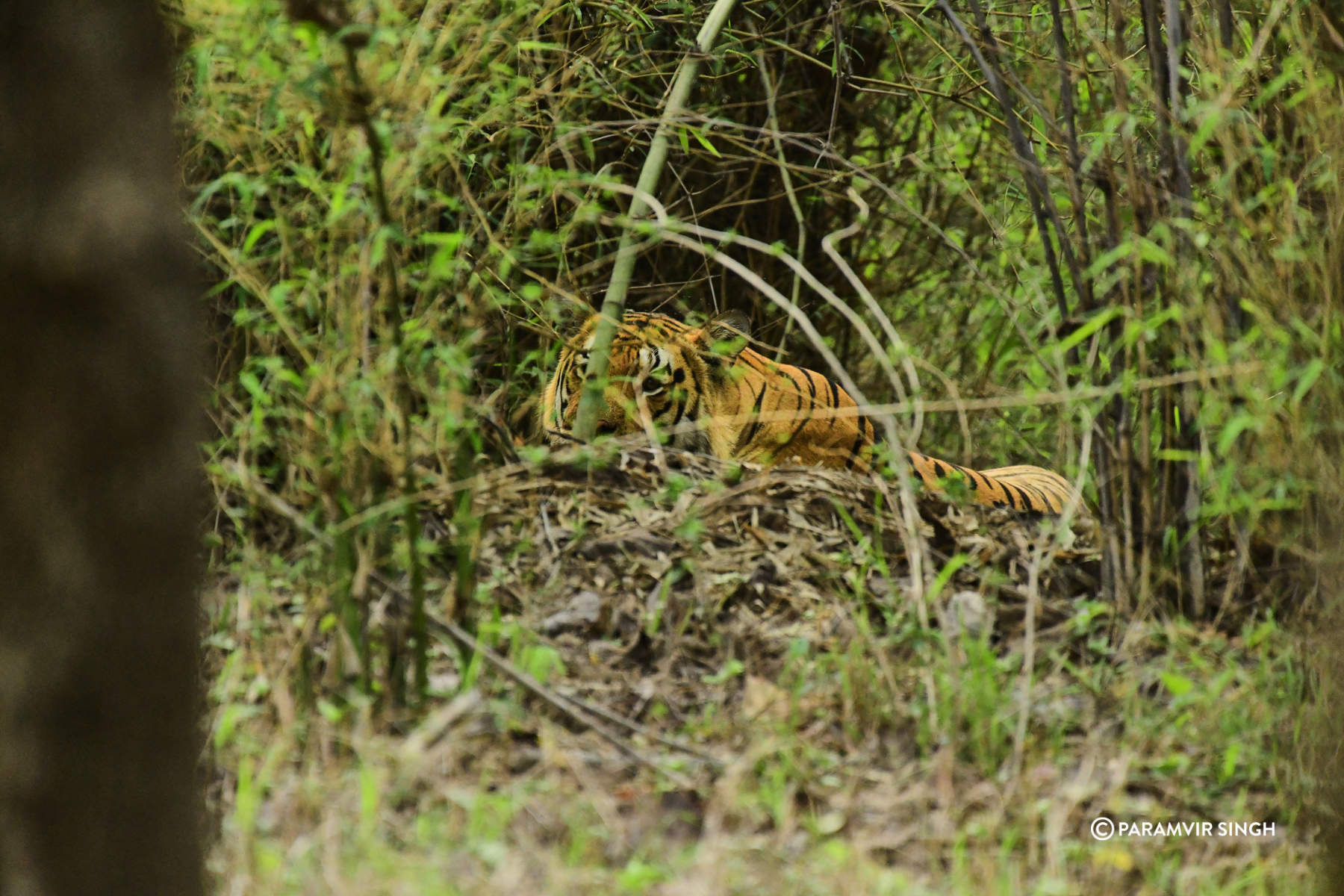
Best time to visit : Indian jungles can be visited throughout the year, except for the monsoons (July-September or check with the park). Winters are very cold and summers are very hot. You can spot animals lounging in the warmth of winter sun. Or in summers they are easy to spot near water bodies. So choose your season based on your available time. The forest looks different in every season. Winters also have the added advantage of migratory species.


